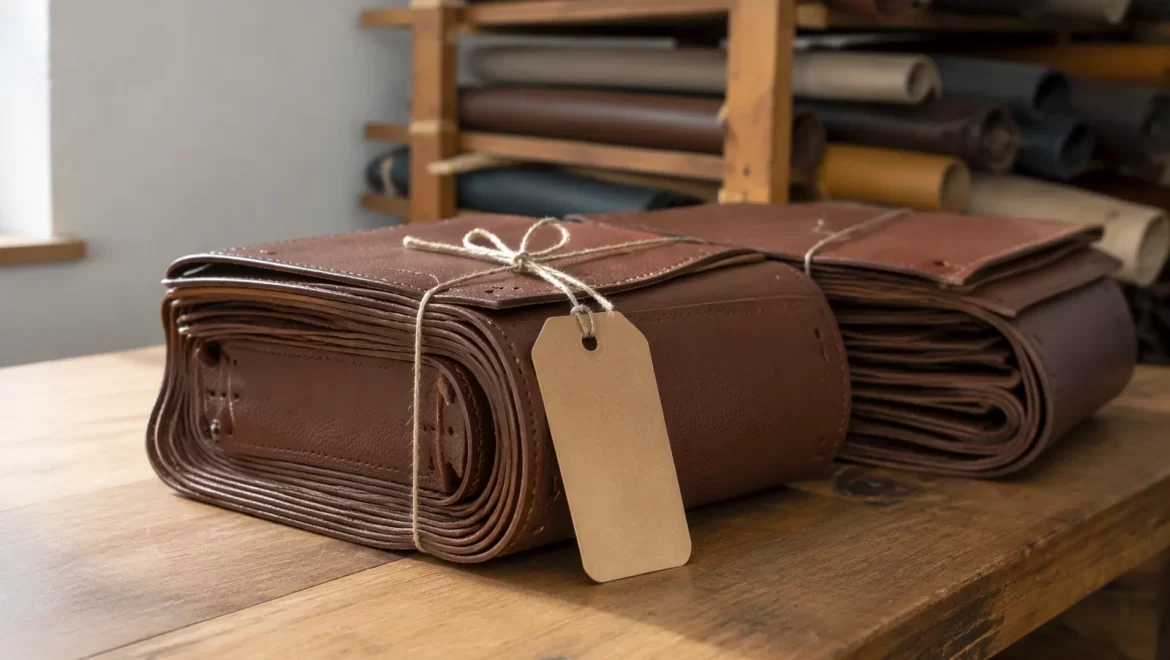
How Do You Build Batch Traceability for Pet Bag Orders?
- Why Batch Traceability Matters for Pet Bag Orders
- What a Traceability System Must Answer
- Defining the Traceable Unit
- Batch Coding Rules That Work
- Binding Leather Lots to Cut Panels
- Hardware and Lining Lot Control
- Work-in-Progress Cards and Routing
- Capturing Operator and Station Records
- Time, Shift and Line Data
- Inspection Data and Its Retention
- Linking Tests to Batches
- Sub-Contracting and Outside Processes
- Mixed Lots and Partial Consumption
- Handling Rejects, Rework and Salvage
- Sample and Reference Retention
- Records in a Paper-Based Factory
- Moving to Barcode and Scan Points
- What a Shop-Floor System Should Capture
- Data Integrity and Prevented Edits
- Reconciliation and Mass Balance
- Traceability Drills and Mock Recall
- Defining the Suspect Scope
- Containment and Customer Communication
- Corrective Action and Lot Closure
- Supplier Traceability and Certificates
- Traceability in Sampling and Pre-Production
- Multi-Style and Multi-Order Runs
- Cost and Effort Balance
- Common Traps in Traceability Projects
- What Buyers Should Audit
- Limits of a Traceability System
- FAQ
A buyer reports a scuffed handle on forty units, and the factory cannot say which leather lot, which operator or which day those forty came from. That is the moment traceability stops being paperwork and becomes the difference between a contained problem and a recall.
Batch traceability for pet bags is not a software purchase. It is a set of decisions about what a batch is, what gets written down, and how the records connect, made before the first cutting order is issued.
Why Batch Traceability Matters for Pet Bag Orders
A pet bag combines leather, lining, mesh, foam, webbing and hardware from six or more suppliers, and a defect can enter at any of them.
The Recall Question
When a fault appears, the first question is which units share it. Without batch records the only honest answer is all of them, which turns a hundred-unit fix into a recall.
The Claim Conversation
A buyer who can be told the affected lot and quantity settles faster than one told the issue is being investigated. Records shorten the commercial argument as much as the technical one.
The Internal Feedback Loop
A defect traced to one lot of lining converts into a supplier conversation. The same defect traced to nothing converts into a training session that may miss the cause.
| Situation | Without records |
|---|---|
| Scuff report | All units suspect |
| Lining fault | Supplier unclear |
| Hardware fail | Lot unknown |
| Repeat issue | No pattern |

What a Traceability System Must Answer
Four questions decide whether a traceability system is real, and they can be asked of any factory with a paper folder.
Backward to the Source
Given a finished bag, which leather lot, lining roll, hardware lot and production date produced it. Backward tracing is what identifies a supplier problem.
Forward to the Customer
Given a suspect lot of material, which orders, cartons and customers received bags made from it. Forward tracing is what limits a recall instead of discovering it.
The Time Question
How long the answer takes matters as much as whether it exists. An answer in four hours supports containment, while an answer in two weeks supports only apology.
| Question | Direction |
|---|---|
| Which lot | Backward |
| Which orders | Forward |
| How long | Speed |
| How sure | Confidence |
Defining the Traceable Unit
The traceable unit is the resolution of the whole system, and choosing it badly makes every record either useless or unaffordable.
Unit Level Versus Lot Level
Serial-level tracing is exact and expensive on a leather bag line. Lot-level tracing within a production run covers most recall scopes at a fraction of the effort.
Where the Line Falls
The unit should be the smallest grouping that shares material and process, usually one cutting lot through one line on one shift. Splitting finer adds records without adding answers.
Consistency Across the Order
A batch definition that changes mid-order breaks the chain. Define it once per style and keep it for the life of the order, including repeat orders.
| Level | Resolution |
|---|---|
| Serial | Per bag |
| Lot | Per run |
| Order | Per shipment |
| Shift | Per crew |
Batch Coding Rules That Work
A batch code is read by people under time pressure, so it has to be short, sortable and unique without a lookup table.
What the Code Carries
Date, line, order reference and a sequence letter cover the useful cases. Encoding the material into the code makes it long and makes it wrong when material is substituted.
Human Readability
A code printed in one size on a paper card is read at a glance, while a code that needs a scanner becomes unreadable when the scanner fails. Keep it legible.
Uniqueness Over Years
Two batches with the same code in different years destroy the record's value. A year digit in the code prevents a collision that is invisible until it matters.
| Segment | Meaning |
|---|---|
| Year | Cycle |
| Month | Period |
| Order | Reference |
| Letter | Sequence |
Binding Leather Lots to Cut Panels
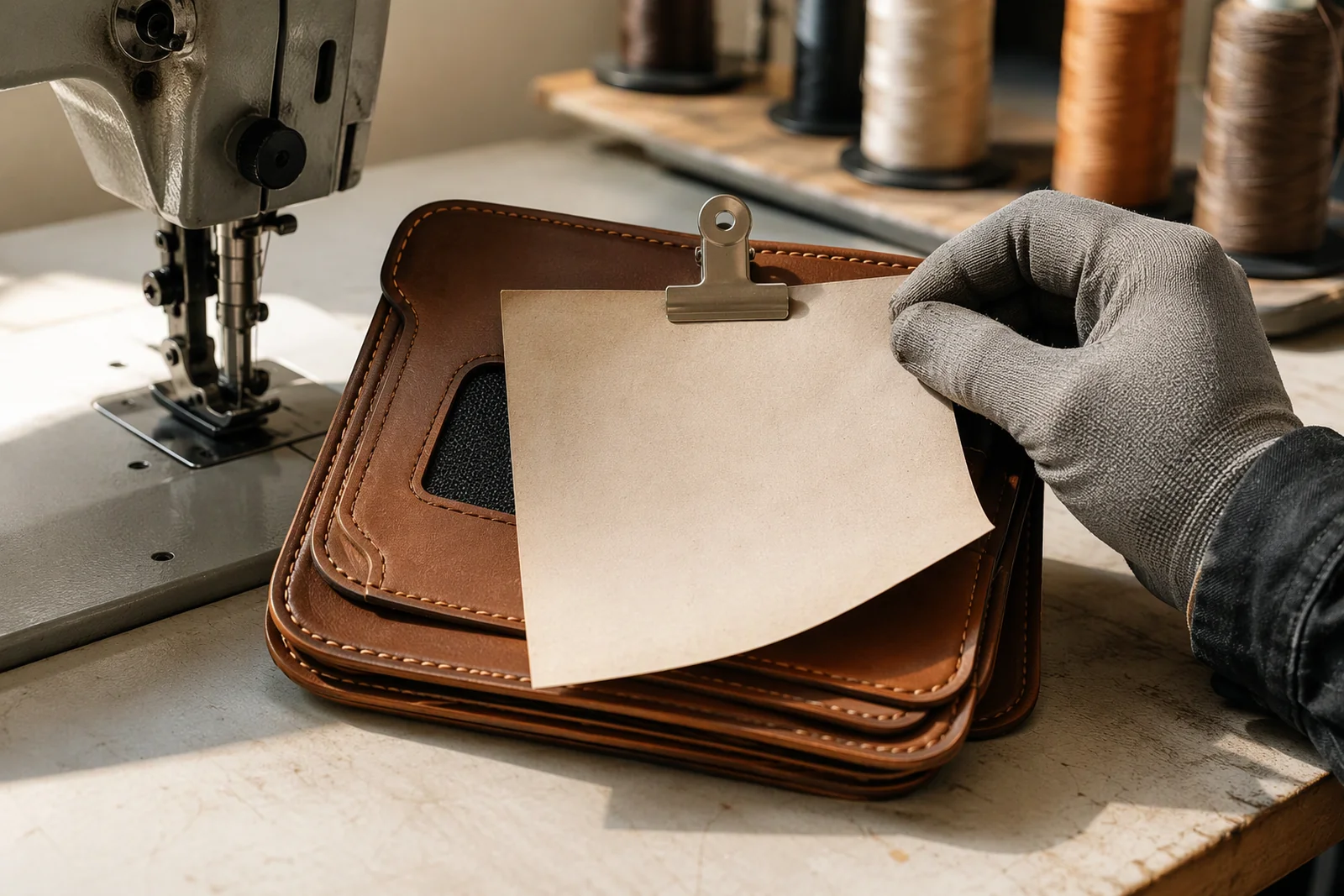
The cut is where material identity is easiest to lose, because one hide becomes many panels and the lot label sits on the rack rather than the piece.
Lot Marking on the Rack
Record hide lot, receipt date and supplier on the rack card before cutting begins. A lot number written after the cut is a reconstruction, not a record.
Panel-to-Hide Mapping
Where panels from one hide must stay together, bundle them with a card that carries the hide lot. Mixed bundles lose the ability to blame a specific hide.
Cutting Records
The cutting sheet should carry lot, quantity of panels, operator and date. It is the single most useful document in a leather bag traceability chain.
| Record | Links |
|---|---|
| Rack card | Hide lot |
| Bundle card | Panels |
| Cutting sheet | Operator |
| Lot log | Quantity |
Hardware and Lining Lot Control
The parts that fail most often are the ones that never got a lot number, because they arrive in small boxes and disappear into bins.
Hardware Bins
Each bin should carry the supplier lot, receipt date and finish. A bin filled from two receipts without a note makes a plating failure untraceable.
Lining Rolls
Lining is consumed by the metre and rolls are spliced. Record the roll change on the work card so a shade difference maps to a batch rather than to a month.
Consumables That Matter
Thread, edge paint, adhesive and foam all affect quality and are rarely recorded. Thread lot explains shade and strength complaints that leather cannot.
| Component | Risk |
|---|---|
| Hardware | Plating |
| Lining | Shade |
| Thread | Strength |
| Adhesive | Bond |
Work-in-Progress Cards and Routing
A routing card that travels with the bundle is the cheapest traceability device in a sewing factory, and it works without electricity.
What Travels With the Bundle
Batch code, style, quantity, operations completed, operator initials and inspection result. Six fields carried with the goods describe the journey.
The Station Sign-Off
Each operation receives a signature or a stamp. An unsigned station is a gap in the chain that only appears when something goes wrong.
Card Loss
A lost card stops the bundle or produces an untraceable unit, so the card should be attached rather than loose. Attachment is a discipline, not a design feature.
| Stage | Record |
|---|---|
| Cut | Lot |
| Sew | Operator |
| Assemble | Station |
| Pack | Carton |
Capturing Operator and Station Records
Operator records are contentious because they feel like surveillance, and they are also the fastest route to a cause when a stitch fails.
Operator Identification
An initial or a staff code is enough. Names are unnecessary and raise resistance, while ambiguity between two operators on one station removes the value.
The Station Versus the Person
Recording the machine is often more useful than recording the person, because a tension fault follows the machine rather than the operator.
Shift Boundaries
A batch that spans two shifts has two process environments. Recording the shift explains variation that a single date cannot.
| Record | Purpose |
|---|---|
| Initial | Owner |
| Station | Machine |
| Shift | Environment |
| Time | Sequence |
Time, Shift and Line Data
Time data answers questions that material data cannot, such as whether a defect clusters after a break or a changeover.
Time Stamps
A start and finish time per batch is enough to place it against events. Minute-level tracking adds cost without adding explanatory power.
Line Assignment
When two lines run the same style, the line becomes the discriminating variable. Without it, every fault looks like a material fault.
Downtime Notes
A press that stopped for an hour and restarted cold produces defects that no material record explains. A downtime line on the daily sheet closes that gap.
| Data | Explains |
|---|---|
| Start | Sequence |
| Shift | Crew |
| Line | Machine set |
| Downtime | Anomaly |
Inspection Data and Its Retention
Inspection records are the part of traceability that buyers audit, and the useful ones are tied to a batch rather than to a day.
Recording by Batch
A daily summary averages away the batch that failed. The record should attach results to the batch code, so a specific run can be reopened.
Sample Size and Result
Record how many pieces were checked and how many failed, not only the verdict. A pass from four pieces and a pass from forty are different claims.
Retention Period
Keep records for the commercial life of the style plus a margin. A record destroyed after one year cannot answer a claim in year three.
| Field | Value |
|---|---|
| Batch | Code |
| Sample | Count |
| Fail | Count |
| Date | Stamp |
Linking Tests to Batches
A test result without a batch is a number that cannot be used, because it cannot be narrowed or extended.
Lab Submissions
Each submission should carry the batch codes it represents. A test on a mixed sample describes no batch and cannot support a release decision.
Test Reports as Evidence
Keep the report reference on the batch record. When a buyer asks whether the salt spray result applies, the reference answers in seconds.
Re-Tests After Change
A material substitution invalidates earlier results. Recording the change date on the batch record shows which batches need re-testing.
| Document | Binds |
|---|---|
| Submission | Batch list |
| Report | Reference |
| Change note | Date |
| Release | Verdict |
Sub-Contracting and Outside Processes
Most pet bag orders leave the factory at least twice, for embossing, plating, printing or stitching, and each exit breaks the chain unless it is documented.
Outbound Records
Record what left, how much, which batch and which processor. An outbound note with a quantity but no batch makes the return untraceable.
Return Reconciliation
Compare quantity returned with quantity sent and record the difference. Losses at a sub-contractor are invisible without this line.
Shared Equipment
An embossing die used across several orders carries contamination and wear between them. Recording the die and the orders it served links defects across buyers.
| Movement | Record |
|---|---|
| Out | Batch |
| Back | Count |
| Die | ID |
| Loss | Delta |
Mixed Lots and Partial Consumption
Real production mixes material, and the record has to describe mixing rather than pretend it did not happen.
When Two Lots Run
Record both lot numbers and the approximate split. A record naming one lot when two were used is worse than an approximate one naming both.
Roll and Hide Transitions
The splice or hide change belongs on the work card with the piece count at that point. It localises a shade or grain complaint to a range rather than the order.
Leftover Material
Remnants returned to stock need a lot label, or they re-enter production anonymous. Unlabelled remnants are the most common source of untraceable units.
| Case | Record |
|---|---|
| Two lots | Both |
| Splice | Count |
| Remnant | Label |
| Return | Lot |
Handling Rejects, Rework and Salvage
A rejected piece is the highest-risk item in the chain, because it can re-enter as a good unit with no history.
Segregating Rejects
Rejects should be physically separated and tagged with batch and defect. A reject bin without tags is a supply of untraceable parts.
Rework Records
Rework that succeeds produces a bag that has no visible defect and a hidden history. Recording the rework on the batch keeps the history honest.
Salvage and Donation
Parts salvaged from rejects and re-used in new batches need a written link. Without it, a defect reappears in a batch that never made the defect.
| Item | Rule |
|---|---|
| Reject | Tagged |
| Rework | Logged |
| Salvage | Linked |
| Scrap | Counted |
Sample and Reference Retention
A retained sample answers questions that no record can, because it shows what the batch actually was.
Per-Batch Retained Sample
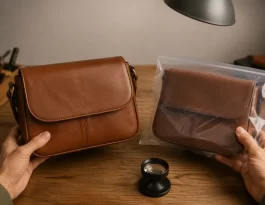
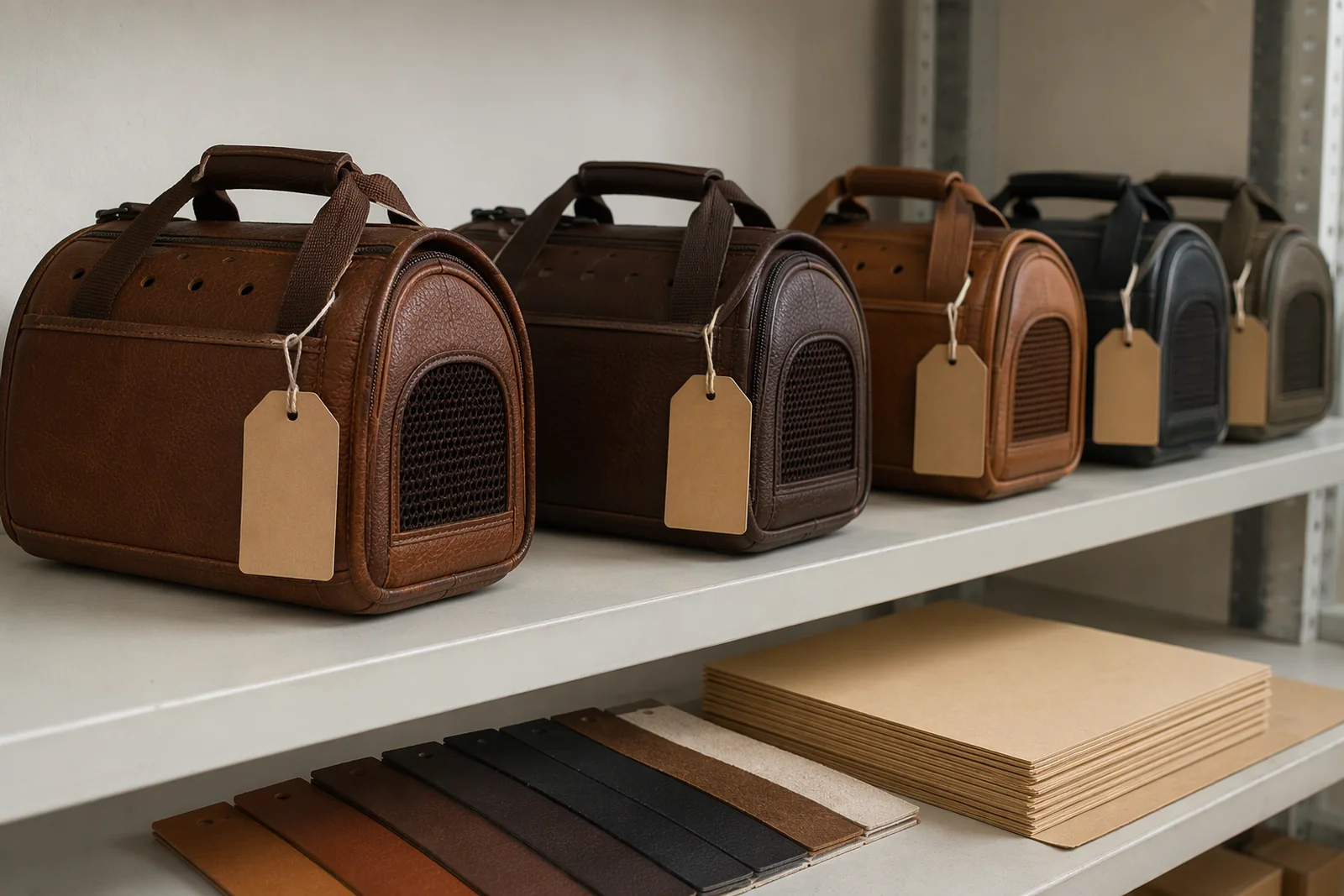
Keep one bag from each batch, labelled with the code and date. Storage cost is small against the cost of a dispute with no physical reference.
Material Swatches
Retain a swatch of each leather, lining and thread lot in use. A shade claim is settled by placing the swatch beside the bag.
Storage Conditions
Samples stored in light and heat change and stop being evidence. A closed cabinet in a dry room preserves the reference for years.
| Reference | Answers |
|---|---|
| Bag | Workmanship |
| Swatch | Shade |
| Hardware | Finish |
| Photo | Condition |
Records in a Paper-Based Factory
Most bag factories do not have a shop-floor system and do not need one to be traceable. Paper works if the forms are few and the discipline is real.
Four Forms
Cutting sheet, work card, inspection sheet and carton list cover a whole order. Adding forms is the usual failure mode, because each new form loses compliance.
Writing Standards
A form filled with a tick and no number cannot be analysed. Require the value rather than the tick wherever a quantity or a result exists.
Collection and Filing
Forms collected at the end of the shift and filed by batch beat forms left at the station. A record that cannot be found in ten minutes is not a record.
| Form | Key field |
|---|---|
| Cut sheet | Lot |
| Work card | Station |
| Inspection | Count |
| Carton list | Range |
Moving to Barcode and Scan Points
Scanning helps at the transitions where quantity and identity change, and harms where it adds a step without answering a question.
Where to Scan
Cut issue, line issue, final inspection and packing are the four points that change identity or quantity. Scanning every operation multiplies effort without improving the answer.
Label Durability
A label that falls off leather in a humid room destroys the chain at the point of use. Test adhesion on the actual material before rolling out.
Cost and Staging
Start with printed labels and a spreadsheet, then add scanning when the volume justifies it. The sequence protects the budget and reveals the real bottlenecks.
| Point | Change |
|---|---|
| Cut | Identity |
| Issue | Custody |
| Inspect | Status |
| Pack | Carton |
What a Shop-Floor System Should Capture
If a factory buys software, the value comes from a small number of fields captured reliably rather than from a large number captured occasionally.
Minimum Fields
Batch code, style, operation, quantity, operator code, machine, timestamp and result. Eight fields describe a production event completely.
Entry Effort
An entry that takes more than a few seconds per bundle will be skipped under pressure. Measure the entry time before choosing the system.
Reporting the Chain
The system must reconstruct a batch as a sequence, not as a list of transactions. A report that cannot show sequence cannot show where a defect entered.
| Requirement | Test |
|---|---|
| Fields | Eight |
| Entry | Seconds |
| Sequence | Rebuild |
| Search | Batch |
Data Integrity and Prevented Edits
A record that can be quietly edited is not evidence, and the risk is highest where a result is uncomfortable.
Write-Once Entries
Corrections should be additions rather than overwrites, with the correction visible beside the original. An overwritten result destroys trust in every other result.
Who May Change What
Limit edit rights to one named role and log every change with time. Distributed edit rights make every discrepancy a mystery.
Paper Equivalents
A paper record is crossed out and initialled rather than rewritten. The same rule applied on paper preserves the same integrity.
| Risk | Control |
|---|---|
| Overwrite | Append |
| Silent fix | Log |
| Blank field | Required |
| Lost form | Filing |
Reconciliation and Mass Balance
Mass balance is the only check that proves the records describe reality, because it compares what the paper says with what the store holds.
Inputs Against Outputs
Panels issued minus panels in finished bags minus rejects should equal the balance in work in progress. A gap signals an unrecorded flow.
Tolerance
Leather cutting has legitimate variation from defects and nesting. Set a tolerance band and investigate beyond it rather than chasing every unit.
Frequency
A monthly reconciliation catches drift before a claim does. An annual audit finds a year of gaps that cannot be reconstructed.
| Check | Reveals |
|---|---|
| Balance | Unrecorded |
| Tolerance | Noise |
| Monthly | Drift |
| Variance | Cause |
Traceability Drills and Mock Recall
A traceability system is only as good as its last drill, and a drill is the cheapest way to find that a record is missing.
Choosing the Trigger
Pick a finished carton at random and ask for its full history. Random selection tests the system, while a chosen carton tests the chosen carton.
The Clock
Time the exercise from request to complete answer. The number is the honest capability of the system and the one a buyer will ask about.
What a Failure Means
Missing fields reveal which form is not being filled, which is more actionable than a general conclusion that discipline is weak.
| Drill | Measures |
|---|---|
| Random pick | Coverage |
| Full history | Completeness |
| Clock | Speed |
| Gap | Weak form |
Defining the Suspect Scope
The scope is the set of units that could share a defect, and defining it too wide is as costly as defining it too narrow.
Widening Rules
Start with the material lot and the production window, then widen only if the records cannot separate them. Widening without evidence converts a batch issue into an order issue.
Narrowing Rules
Narrow when a record proves separation, such as a lot change on a specific date. Every narrowing must point at a document.
Documenting the Decision
Write the scope, the reason and the date into the case file. A scope that changes without a note is indistinguishable from a scope that was guessed.
| Decision | Evidence |
|---|---|
| Widen | Missing split |
| Narrow | Lot change |
| Scope | Document |
| Date | Stamp |
Containment and Customer Communication
Containment stops the defect from spreading while the investigation continues, and it depends entirely on knowing where the affected units are.
Stock in Transit
Forward tracing identifies which cartons are still mobile, which are the cheapest to intercept. A record that lists carton ranges makes interception possible.
Warehouse Holds
A hold needs a batch list rather than a description. A warehouse asked to hold a style will hold everything, including the unaffected batch.
What to Tell the Buyer
State the affected batch, the quantity, the mechanism and the next action. Buyers accept a limited problem and distrust a vague one.
| Location | Action |
|---|---|
| Transit | Intercept |
| Warehouse | Hold list |
| Customer | Notify |
| Factory | Segregate |
Corrective Action and Lot Closure
A case is not finished when the units are replaced, and closing a lot requires a stated cause and a change that can be checked.
The Cause Statement
Write the cause as a mechanism rather than a category. A cause of poor workmanship cannot be verified, while a cause of a worn press pad at station six can.
The Change
Every corrective action should change something physical or procedural that a later audit can see. Training alone leaves no artefact.
Verification Batch
Check the change on the next batch of the same style and record the result. A closure without a verification batch is a hope.
| Step | Evidence |
|---|---|
| Cause | Mechanism |
| Change | Visible |
| Verify | Next batch |
| Close | Signed |
Supplier Traceability and Certificates
A factory can only trace as far back as its suppliers allow, so supplier records are part of the chain rather than a separate file.
What to Request
Lot number, production date, quantity and any test certificate per delivery. A delivery note without a lot number ends the chain at the gate.
Certificate Validity
A certificate covering a period does not prove a specific lot. Note the certificate reference against the lot and check the dates.
Supplier Changes
When a supplier changes a tannery, a plating line or a specification, the change belongs on the receiving record. Untracked changes break traceability quietly.
| Request | Purpose |
|---|---|
| Lot | Identity |
| Date | Window |
| Quantity | Balance |
| Certificate | Conformity |
Traceability in Sampling and Pre-Production
The sample stage is where the batch structure is decided, and a sample made without a batch code produces a bulk order that starts its chain late.
Sample Records
Log which materials, lots and operators produced the approved sample. A bulk order that cannot compare itself with the approved sample has no baseline.
Golden Sample Link
Reference the approved sample number on every batch record. The link turns an abstract approval into a checkable comparison.
Pre-Production Runs
A pre-production run should be treated as batch zero, with full records. It is the cheapest place to discover that a form is unworkable.
| Stage | Record |
|---|---|
| Sample | Lots |
| Approval | Reference |
| Pre-run | Batch zero |
| Bulk | Linked |
Multi-Style and Multi-Order Runs
Factories mix styles on a line to fill capacity, which multiplies the chance of cross-contamination between batches and records.
Batch Segregation
Separate styles by physical time blocks rather than by assumption. Two styles running at once on one line need two record streams.
Changeover Records
Record the changeover time and the last piece of the previous style. A defect in the first pieces after a changeover is a pattern worth finding.
Shared Components
A zip or a ring shared across styles creates a shared suspect scope. When one style fails, the shared component links the others.
| Situation | Risk |
|---|---|
| Two styles | Mixed records |
| Changeover | First pieces |
| Shared part | Cross scope |
| Capacity | Rushing |
Cost and Effort Balance
Traceability costs time per bundle and pays back in contained claims, and the balance is different for a fifty-piece order and a five-thousand-piece one.
Effort per Bundle
Estimate the minutes per bundle that records will add and compare with the value of a contained claim. A record that costs more than the risk it covers is decoration.
Depth by Order Value
A high-value custom order justifies serial tracing, while a repeat commodity order may only need lot level. One standard applied to both wastes money.
Where Cost Hides
The hidden cost is not form filling but searching, which is why filing by batch matters more than the elegance of the form.
| Order | Depth |
|---|---|
| Custom | Serial |
| Repeat | Lot |
| Sample | Full |
| Spare | Lot |
Common Traps in Traceability Projects
Six traps explain most programmes that produce a thick folder and still cannot answer a question.
Starting With Software
Buying a system before defining the batch produces a database of undefined units. The definition comes first and costs nothing.
Too Many Fields
Every additional field lowers completion. Eight fields filled are worth more than twenty fields half empty.
Recording After the Fact
Records written at the end of the shift are reconstructions. The value depends on being written at the transition.
No Owner
Traceability with no named owner becomes everyone's second job. One person must own the forms, the filing and the drills.
Never Drilling
A system that has never been tested is a hypothesis. Two drills a year turn it into a capability.
Ignoring the Sub-Contractor
The chain breaks at the first outside process that issues no note. Outbound and return records are the cheapest repair.
| Trap | Result |
|---|---|
| Software first | Undefined |
| Too many fields | Blank |
| Late entry | Guess |
| No owner | Decay |
| No drill | Unknown |
| Outside gap | Broken |
What Buyers Should Audit
A buyer can test a factory's traceability in one visit with four requests, and none of them requires technical knowledge.
The Drill
Point at a carton in the warehouse and ask for its history. The time it takes to produce the answer is the capability of the system.
The Batch List
Ask for the batch list of the last shipment and pick one you recognise. A list that cannot be produced is a list that does not exist.
The Retained Sample
Ask to see the retained sample of a batch from six months ago. Its existence proves the system outlives the order.
The Change Record
Ask what changed after the last claim and how it was verified. The answer separates a factory that closes cases from one that closes conversations.
| Request | Tests |
|---|---|
| Drill | Speed |
| List | Coverage |
| Sample | Persistence |
| Change | Learning |
Limits of a Traceability System
Records narrow a problem, and they do not prevent it. Expecting more from them distorts the investment.
It Does Not Improve Quality
Traceability finds the batch and does not fix the process. A factory that installs records and changes nothing else will trace the same defect repeatedly.
It Cannot Recover Lost Units
Once units are mixed in a warehouse without labels, no record separates them. Traceability depends on labels surviving the physical journey.
It Records What Was Written
A record shows what someone wrote at the time, which is why drills are needed. Confidence and completeness are different things.
| Expectation | Reality |
|---|---|
| Better quality | Needs action |
| Perfect recall | Physical limits |
| Certainty | Written truth |
| Cheap | Time cost |
FAQ
What is a batch in pet bag production?
A: The smallest grouping that shares material, line and time, usually one cutting lot through one line on one shift.
Do we need serial numbers on every bag?
A: No. Lot-level tracing within a production run covers most recall scopes at a fraction of the record effort serial numbering requires.
Where does traceability usually break first?
A: At the cutting table, where one hide becomes many panels and the lot label stays on the rack instead of travelling with the pieces.
How many forms does a paper system need?
A: Four: cutting sheet, work card, inspection sheet and carton list. Each additional form lowers completion on all the others.
Should operator names be recorded?
A: An initial or staff code is enough. Names raise resistance without adding value, while ambiguity between two operators removes the point.
What must a test report be tied to?
A: The batch codes it represents. A result on a mixed sample describes no batch and cannot support a release decision.
How do sub-contractors fit the chain?
A: With an outbound note carrying batch and quantity, and a return note reconciled against it. Without both, the chain ends at the gate.
What happens when two material lots run together?
A: Record both lot numbers and the approximate split. Naming one lot when two were used is worse than an honest approximation.
Why keep a bag from every batch?
A: Because a physical sample answers questions no record can, such as what the workmanship and shade of that run actually were.
How is a traceability system tested?
A: By drill. Pick a random carton, request its full history and time the answer. Two drills a year turn records into a capability.
What is mass balance used for?
A: To prove the records match reality. Panels issued minus finished and rejected should equal the balance in work in progress.
Can a record be corrected?
A: Yes, by addition rather than overwrite, with the correction visible beside the original. An edited result destroys trust in every other result.
How wide should a suspect scope be?
A: Start with the material lot and production window, widen only where records cannot separate, and document the reason each time.
When should traceability start on an order?
A: At sampling. A sample made without a batch code produces a bulk order whose chain begins too late to be useful.
Does traceability improve quality?
A: It finds the batch, not the fix. A factory that adds records and changes nothing will trace the same defect again next season.
What should a buyer ask to see?
A: A live drill on a random carton, the batch list of the last shipment, a six-month-old retained sample, and the change record after a claim.
Ready to make your next pet bag order answerable? Define the batch before the cutting order is issued, put four forms on the floor with one owner, bind every hide, roll and hardware lot to the bundle that carries it, then drill the system on a random carton and time the answer.