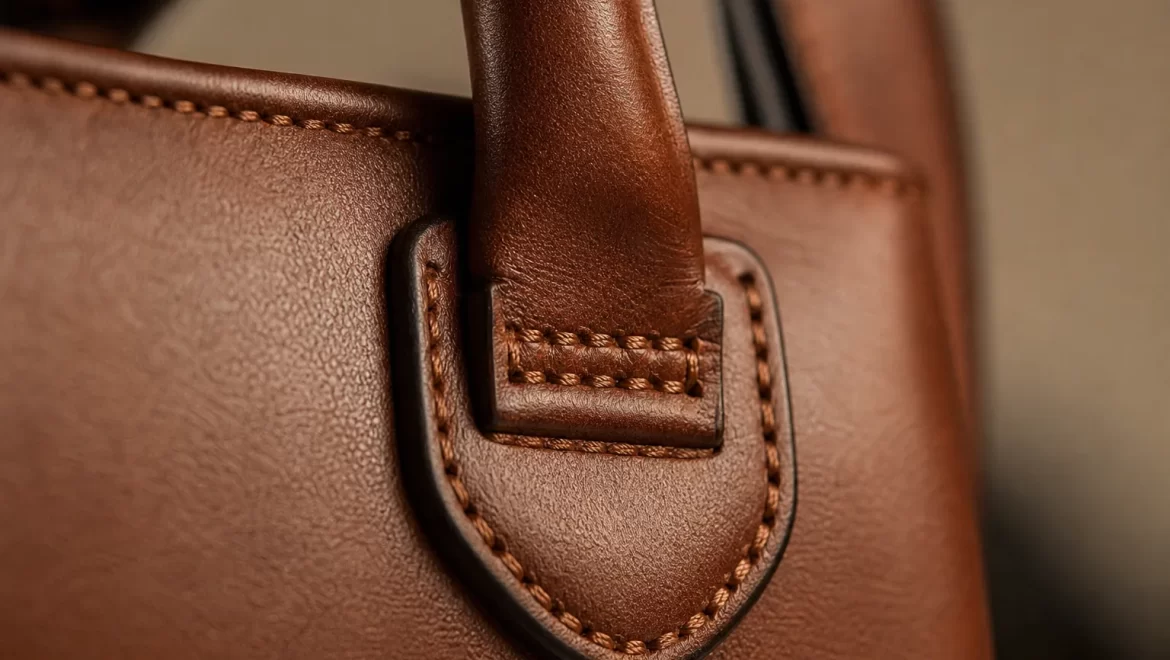
Leather Bag Durability: What Determines 10 Years of Wear?
A leather bag that lasts ten years is not an accident and not a miracle — it is an engineering outcome. Every bag on the market will eventually fail; the question is what fails and when. Some bags die in year two with torn handles and peeling edges. Others reach year ten with patina, character, and another decade ahead of them. The difference is not luck, and it is not just the leather. Durability is the product of a chain of decisions — material grade, tanning method, construction technique, hardware quality, lining behavior, and the care the owner provides — and each link in that chain can either add years to the bag's life or quietly subtract them.
As a bag manufacturer, we see this chain from the inside: the same design can be built to last three years or fifteen, at a cost difference that surprises most brands. This guide explains what actually determines a leather bag's lifespan, where bags really fail (it is rarely where buyers expect), how durability is tested in production, and how to specify it into your product. If you sell leather bags — or buy them from a factory — this is the engineering behind the "buy it for life" claim.
What "Durable" Actually Means
Durability is not a single property — it is a bundle of behaviors, and a bag fails when any of them breaks down. Before discussing what makes a bag last, it helps to name the four failure modes that end a bag's life:
| Failure mode | What it is | Typical timeline |
|---|---|---|
| Structural failure | Handles tear, seams split, stress points give way | Months to years |
| Surface failure | Leather cracks, coating peels, color wears off | 1–5 years |
| Hardware failure | Zippers jam, buckles break, rivets pull through | 1–6 years |
| Content damage | Lining rips, contents poke through, water damage | Any time |
Most buyers assume leather quality decides everything — but structural failure (seams and handles) is actually the most common cause of bag death, followed by hardware failure. The leather itself, if decent, usually outlasts the stitching that holds the bag together. This is the first insight of durability engineering: a bag usually dies at its weakest component, not its most visible one.
The Durability Equation
A durable bag is the product of five variables, and they multiply rather than add. Weaken any one and the whole equation collapses:
Durability = Leather × Construction × Hardware × Lining/Structure × Care
The multiplication matters. A bag with excellent leather but weak handles (construction) is a three-year bag. A bag with great construction but cheap hardware fails at the zipper. A superbly built bag with proper maintenance routines survives longest — and, critically, care is the only variable the owner controls after purchase. This equation is the framework for everything that follows: it tells you where to look when a bag fails early, and where to invest when you want it to last.
Leather Selection: The Foundation
The leather is the foundation of durability — not because it is the most common failure point, but because it sets the ceiling for everything else. Leather decisions that matter for longevity:
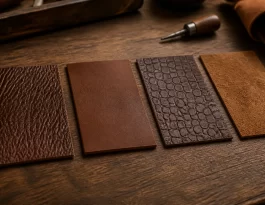
Grade and grain. Full-grain leather, with its intact grain layer, is the most durable surface leather available: the dense grain resists abrasion, moisture, and cracking. Top-grain (lightly sanded) is a close second. Split and bonded leathers fail earlier by design — their surfaces are coatings, and coatings delaminate. For a ten-year target, the grade is non-negotiable.
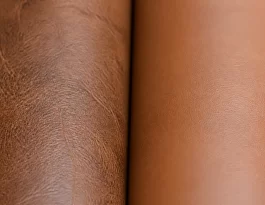
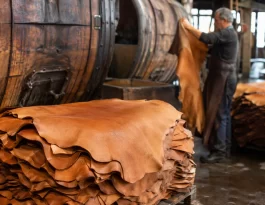
Tanning method. Vegetable-tanned leather is firm and develops a protective patina but is less water-resistant; chrome-tanned leather is supple and water-resistant but softer. For durability under daily use, chrome-tanned or chrome-free leather (or a combination-tanned blend) generally resists environmental wear better, while vegetable-tanned shines in structured, less-exposed designs. The tanning choice should match the bag's use, not the marketing story.
Thickness. As covered in our thickness guide, the leather's weight must match the bag's role: 1.0–1.2 mm for light fashion pieces, 1.4–1.6 mm for everyday bags, 1.8–2.2 mm for heavy carry. Under-thickness is the quiet durability killer — a bag looks identical on day one and sags, distorts, and tears at the stress points within a year.
The professional rule: specify grade, tanning, and thickness deliberately, and document them. Vague specs ("genuine leather") let the factory optimize for price, and price-optimized leather is rarely ten-year leather.
Construction: Where Bags Die First
Construction is where the durability battle is actually won or lost, and it is the area buyers understand least. Four construction details decide the difference between a three-year bag and a ten-year bag:
Stitching strength. The thread and the stitches hold the bag together. Bonded nylon thread (e.g., bonded nylon #69 or #92, also called Nylon 69/92) is the industry's durability standard; cheap polyester threads abrade and break. Stitch density matters: 6–8 stitches per inch is standard for bags, and lower density means fewer load-sharing points. Loose, shallow stitches pull out under load; proper tension locks the thread into the leather.
Stress-point reinforcement. Handles, strap attachments, and corners take disproportionate load. Ten-year bags reinforce these areas — doubled leather layers, reinforced backings, bartack stitches (dense zigzag reinforcement) at handle roots, and wider attachment points. The same design with and without reinforcement has a dramatically different lifespan.
Seam construction. How panels join matters: turned edges (where the leather edge is folded inside) protect both the seam and the leather edge; un-finished raw edges fray and absorb moisture. French seams and edge-painted seams add both durability and finish quality.
Glue and interlining. The adhesives that bond panels and the interlinings that give structure age badly when cheap: poor glue fails in heat and humidity, delaminating panels; stiff interlinings crack and poke through the leather. Ten-year bags use heat-stable adhesives and structured but flexible interlinings.
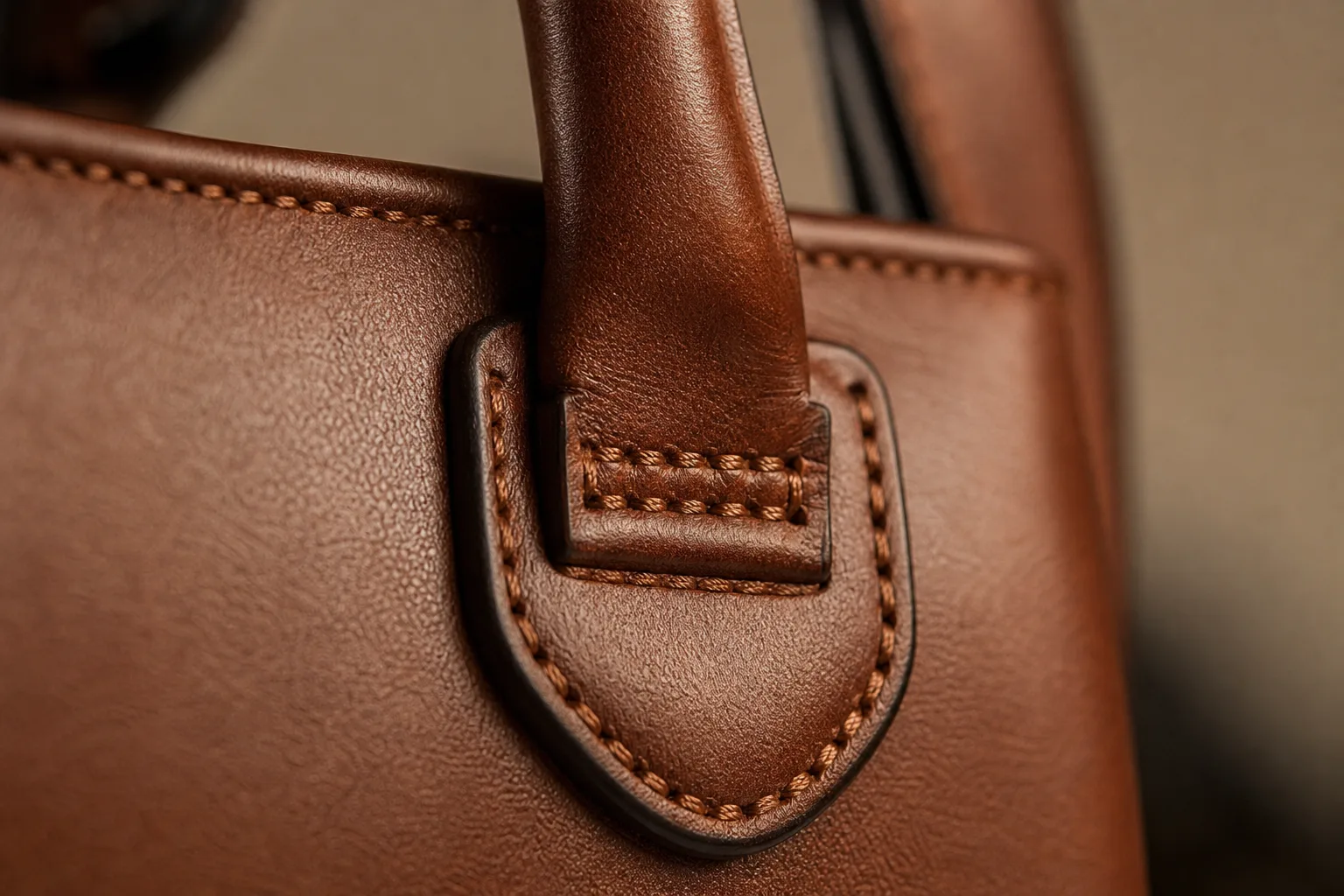
The visual test for construction: turn the bag inside out (or look inside). Ten-year construction shows neat, even stitching, reinforced stress points, and clean edges — everywhere you can see. Three-year construction hides its weaknesses in the places you cannot see.
Hardware: The Second Weak Point
After seams, hardware is the most common bag killer — and the easiest to overlook in a product photo. The zipper is the prime suspect: a bag's zipper opens and closes tens of thousands of times, and a cheap zipper dies in a year of daily use. The durability rules for hardware:
Zippers. Specify branded zippers (YKK, Riri, or equivalent) with metal or coil elements appropriate to the use; the slider is the first failure point — a slider with a cheap pull breaks or jams. Test zipper cycles in production (see the testing section below); a ten-year target needs a zipper rated for tens of thousands of cycles.
Buckles, snaps, and D-rings. These take repeated engagement and load. Solid brass or stainless steel hardware ages beautifully; thin electroplated zinc alloys tarnish, chip, and break. The weight of the hardware is a quick quality signal — heavy, solid pieces survive; light, hollow pieces fail.
Rivets and anchors. Handle anchors and rivets are load-bearing. The rivet must match the leather thickness (too long = loose, too short = weak), and the anchor area must be reinforced inside. A handle that pulls out at year two is almost always an anchor problem, not a leather problem.
The hardware rule: treat hardware as a durability component, not a decoration. Specify brands and materials, test the cycles, and reinforce the anchors.
The Hidden Role of Lining and Structure
The lining is the bag's unsung durability component — it takes the daily abuse of contents, protects the leather from sharp objects and staining, and its failure (a ripped interior) often kills the bag even when the exterior is fine. The durability-relevant lining decisions:
Fabric strength. Cheap linings tear at seam stress and corners. A durable lining uses a tightly woven fabric with a real weight (200+ gsm cotton twill, or a quality polyester blend); ultra-light linings are the first thing to rip.
Lining-to-shell attachment. How the lining is joined to the leather matters: linings that are merely glued delaminate; linings sewn into the seams (bagged-out or sewn-in) hold. Check the bottom corners — the most stressed lining seams are the corners and the pocket seams.
Pockets and structure. Interior pockets take repeated load; reinforced pocket seams and secure zippers extend lining life. Structured bags need proper interlining that flexes without cracking — stiff, cheap interlining cracks and pokes through the leather, causing premature surface failure.
The lining rule: specify lining weight and attachment method in the tech pack. The lining is the interior of the durability equation — invisible in marketing, decisive in year five.
Care and Maintenance: The 50% Factor
The durability equation's final variable — care — is the one the owner controls, and it is the least predictable and most powerful. A well-built bag neglected for years can fail before a modest bag that is properly maintained. The care factors that determine whether leather reaches its potential:
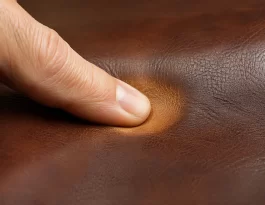
Conditioning. Leather is skin: it needs its natural oils maintained. Conditioning every 2–3 months (for vegetable-tanned leather, more often; for chrome-tanned, less) keeps the fibers supple and prevents cracking. The failure mode to prevent: dry, brittle leather that cracks at flex points.
Moisture management. Water is the enemy — it stains, swells, and stiffens leather. The rules: dry wet bags naturally (never with direct heat), treat with water-resistant finish for daily-use bags, and never store bags damp. Mildew is the other moisture failure — store with breathable dust bags and desiccants in humid climates.
Load discipline. Overloading a bag stresses seams, handles, and anchors beyond design. The bag's structure assumes a design load; exceeding it daily accelerates structural failure. Care cards should state sensible load guidance.
Storage. Bags stored stuffed (to hold shape) in breathable dust bags, away from heat and direct sun, age dramatically better than bags crushed in closets. Sunlight is a slow killer: UV fades color and degrades finish.
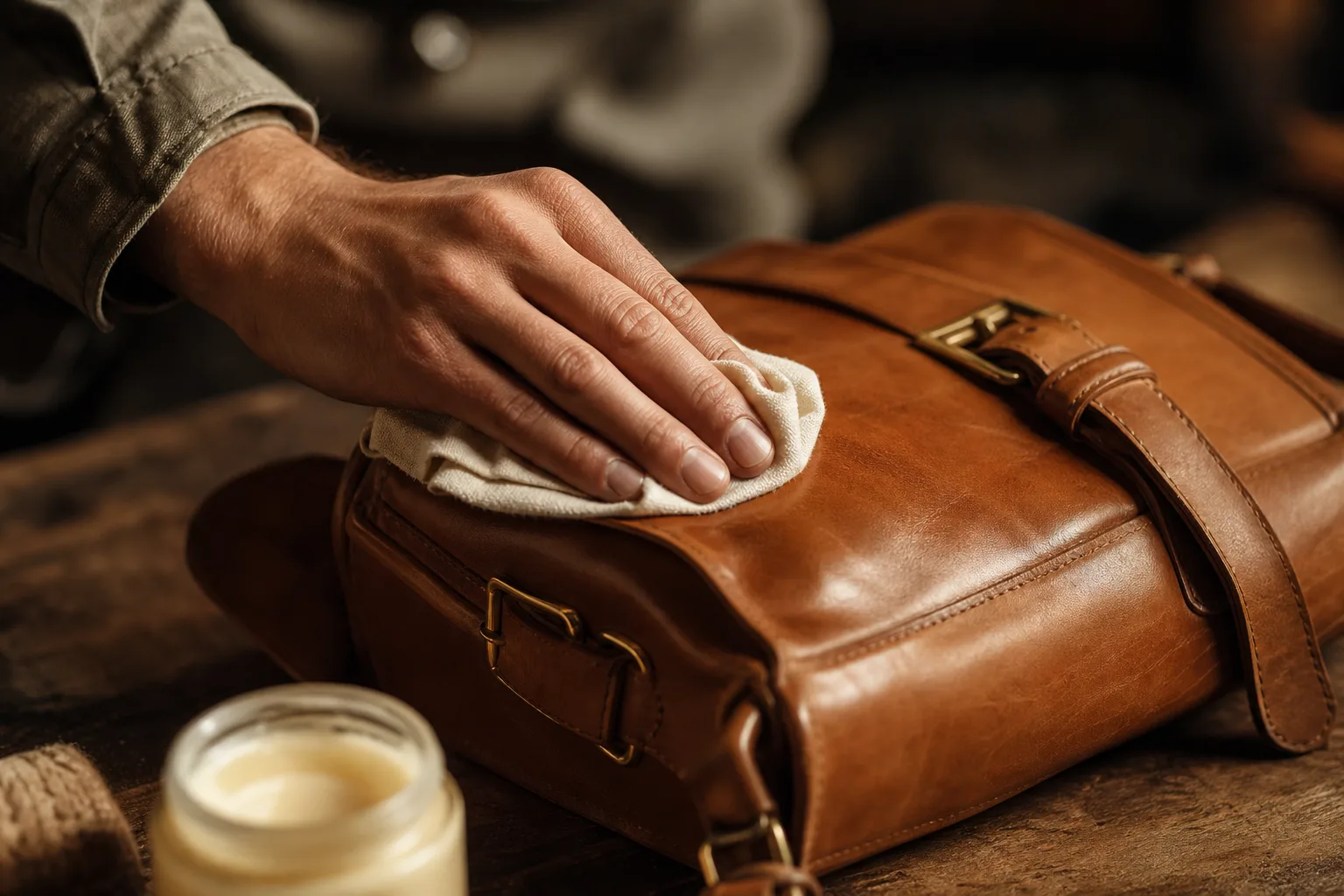
The care rule: publish a real care routine with the bag. Brands that teach maintenance not only extend the bag's life — they turn care into a brand ritual and a durability story customers can participate in. The care card is part of the product spec.
The 10-Year Bag: A Field Report
What does the aging timeline of a well-made bag actually look like? Drawing on our repair records and customer feedback across thousands of bags, here is the realistic failure-and-aging map — useful for setting expectations and spotting problems early:
| Year | What you see on a well-built bag | What kills a poorly built one |
|---|---|---|
| 1 | Minimal wear; leather softens; patina begins | Handles tear at anchors; zipper sticks |
| 2–3 | Patina develops; hardware tarnishes naturally; stitching intact | Seams split at stress points; coating peels |
| 4–5 | Leather develops character; edges show honest wear | Zipper fails; lining rips at corners |
| 6–8 | Hardware shows age; conditioning keeps leather supple | Hardware breaks; interlining cracks through |
| 9–10+ | Full patina; replaced hardware and re-stitched seams | Multiple failures; bag retired |
The pattern is instructive: on well-built bags, the failures at year 6–10 are component failures (hardware, stitching) — repairable, and the bag continues. On poorly built bags, the failures at year 1–3 are structural — handles and seams — and the bag is effectively dead. The difference between "repairable aging" and "catastrophic failure" is exactly the construction and hardware investment described above. Durability is not the absence of wear; it is wear that can be managed.
Testing Durability in Production
Durability is a spec, and specs are tested. A factory that cannot test durability is selling hope; a factory that tests it is selling engineering. The standard tests for bag durability:
| Test | What it measures | Target for a 10-year bag |
|---|---|---|
| Handle/strap pull test | Load capacity of handles and anchors | Pass 40–60 kg without failure or permanent deformation |
| Zipper cycle test | Slider life under repeated opening/closing | 10,000+ cycles without failure |
| Seam strength test | Stitch and thread strength under load | Consistent, above spec threshold |
| Flex/crack test | Leather and finish resistance to repeated flexing | No cracking after specified cycles |
| Abrasion test | Surface wear resistance | Pass specified cycles without surface breakdown |
| Color fastness | Resistance to fading and crocking | No significant change after test |
Three practical notes. First, test the production materials, not the sample — sample quality differs from production runs, and durability claims should be verified on the batch you ship. Second, ask for the test reports — a factory with reports has nothing to hide; a factory without them has nothing to show. Third, test the whole bag, not just components — the weakest link determines the bag's life, and whole-bag tests (loaded drop, handle load, zipper cycles) reveal the links.
Repair and Longevity Design
The most underused durability strategy is design for repair. A bag that can be repaired is a bag that can live ten years — and design choices made at the spec stage determine whether repair is even possible:
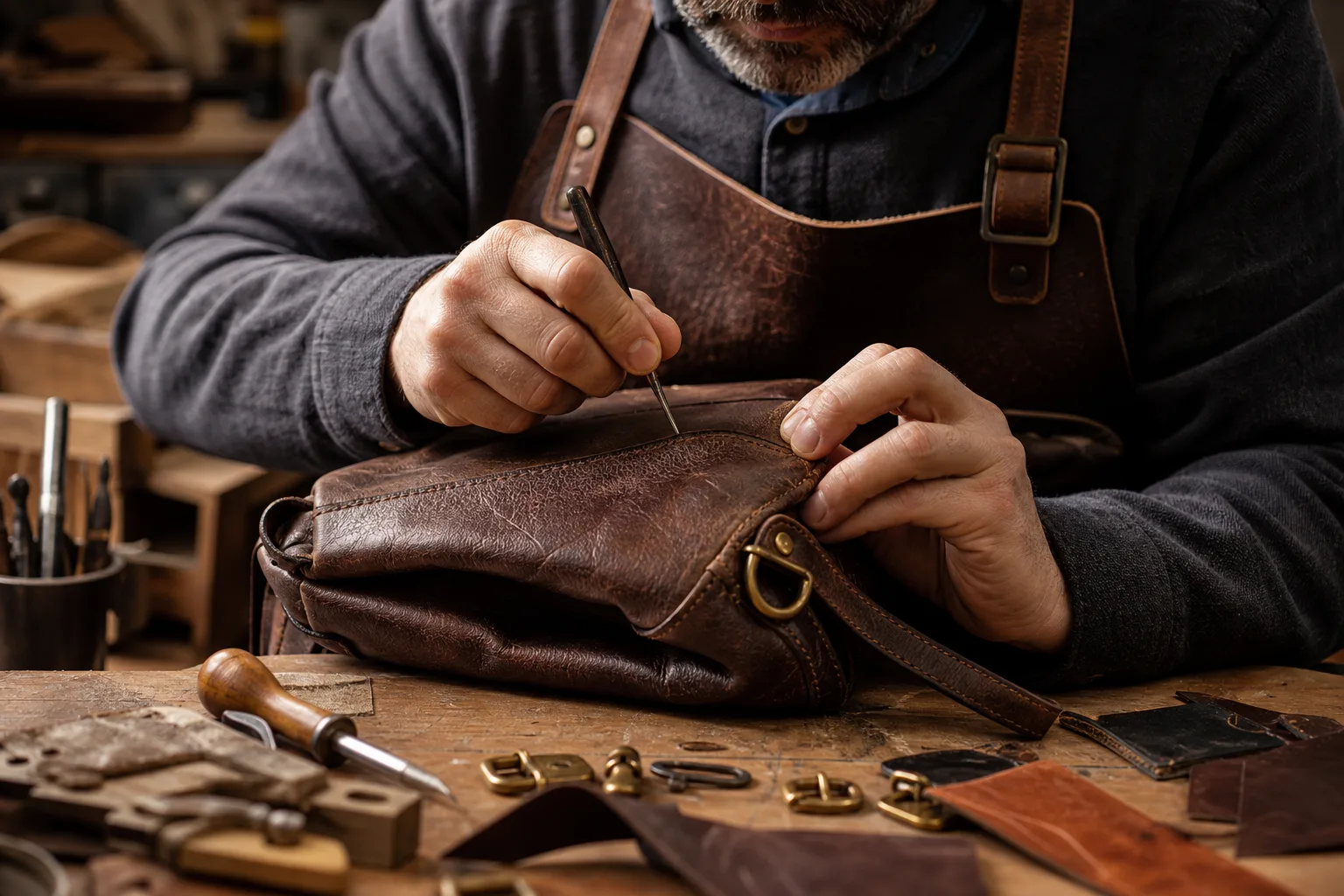
Re-stitchable seams. Standard lockstitch seams can be re-sewn when worn; glued or fused constructions cannot. Specifying stitch-based construction keeps the bag repairable for its whole life.
Replaceable hardware. Hardware that is riveted and replaceable (rather than molded into the structure) lets a bag outlive its zippers and buckles. Simple design decisions — standard zipper sizes, accessible fasteners — turn a broken zipper from a bag-ender into a repair job.
Serviceable straps and handles. Handles attached with reinforcement and accessible anchors can be re-stitched or replaced; handles molded into the body cannot.
The repair offering. Brands that offer repair services (even simple re-stitching and hardware replacement) convert durability from a claim into a service — and build loyalty in the process. A repair program is also the strongest possible proof of the durability claim: a brand that repairs its bags is a brand that expects them to last.
Cost vs Durability: The Real Economics
Durability costs money to build — but the economics work out in the buyer's and the brand's favor when priced honestly. Here is the cost structure of a ten-year build versus a three-year build on the same design:
| Component | 3-year build | 10-year build | Cost delta |
|---|---|---|---|
| Leather (grade/thickness) | Split/corrected, 1.0 mm | Full-grain, 1.4 mm | +$8–15 |
| Thread and stitching | Standard polyester, basic | Bonded nylon, reinforced stress points | +$2–4 |
| Hardware | Zinc alloy, generic zipper | Brass/branded zipper, tested | +$4–8 |
| Lining and interlining | Light lining, glued | Quality lining, sewn, structured | +$2–4 |
| Construction labor | Standard | Reinforced, tested | +$3–6 |
| Total factory delta | — | — | +$19–37 |
A $19–37 factory cost increase is a $50–100 retail price increase — and it buys a bag that lasts three times as long. The per-year cost of the ten-year bag is typically one-third to one-half the per-year cost of the three-year bag. That is the durability value proposition in numbers: the customer pays more once and less forever, and the brand that communicates this honestly earns both the premium and the trust.
The Field Guide to Reading Wear and Tear
Durability is not only about building the bag — it is about knowing what the signs of wear mean, so problems are repaired early instead of becoming fatal. Here is the field guide our repair team uses to diagnose a bag's health:
Creases at the handle roots. Creases and cracks where handles meet the body are the first warning of structural fatigue. Early signs (light creasing) mean the handles are loaded normally and the leather is flexing — watch them. Cracking or exposed thread means reinforcement has failed and repair is due. Handles are the most stressed component; treat handle wear as the leading indicator.
Loose or broken thread at stress points. A single broken stitch is a request for repair, not a death sentence — but a row of broken stitches at a corner or seam means the seam is failing under load and will spread. Catch it early: re-stitching a small area is a $10 repair; ignoring it turns a seam split into a bag-ender.
Edge wear and fraying. Edges that fray or show raw fiber indicate unprotected or failing edge finishing. On a painted-edge bag, this means the edge coats have worn through; on a burnished edge, the wax seal has worn. Both are repairable with edge treatment — but only if the leather below is sound.
Surface cracks at flex points. Cracks in the leather itself — especially at corners, gussets, and the top line — signal drying leather (care failure) or cheap split material (material failure). Dry-leather cracking is recoverable with conditioning if caught early; material cracking is not.
Hardware tarnish and wobble. Tarnishing brass is honest aging; pitting and chipping plating is a coating failure. Wobbling rivets or a loose D-ring means the anchor is working loose — fix before the handle pulls out under load.
The diagnosis rule: most early wear is repairable, and the cost of repair is a fraction of the cost of replacement. Teaching customers to read these signs — on the care card, in a blog post, or in the warranty terms — turns small problems into service opportunities instead of refunds.
Durability Across Bag Categories
The durability equation applies to every bag, but the priorities shift by category — the failure modes that dominate a tote differ from those that dominate a travel bag. Specifying durability well means knowing where each category dies:
| Category | Dominant stress | Where bags die first | Durability priority |
|---|---|---|---|
| Tote | Heavy loads, open top | Handle roots, bottom seam, corners | Handle reinforcement, bottom structure |
| Backpack | Load weight, straps, zippers | Straps, zipper teeth, base | Strap anchors, heavy-duty zippers, base protection |
| Travel/duffel | Load + movement + exposure | Zippers, handles, water exposure | Zipper quality, handle strength, water resistance |
| Everyday handbag | Frequent access, moderate load | Zipper slider, top-line stitching, lining | Zipper quality, top-line reinforcement, lining strength |
| Clutch/small | Low load, high style | Edge finish, closure hardware | Edge durability, closure hardware quality |
| Work/briefcase | Daily load, structure | Corners, handles, laptop compartment | Corner protection, handle anchors, structured base |
Two cross-category rules emerge. First, the heaviest-loaded component determines the category's durability — for travel bags it is the zipper and handles, for totes it is the handle roots. Second, category-driven stress should drive the test plan — a travel bag's zipper deserves cycle testing; a tote's handles deserve pull testing; a backpack's straps deserve anchor testing. A factory that tailors its testing to the category is engineering for the real use; a factory that tests everything identically is checking boxes. When you brief your factory, name the category's dominant stress explicitly — it focuses the design, the reinforcement, and the tests where they matter.
Warranty: The Durability Contract
A warranty is the commercial expression of the durability claim — the moment a brand puts its engineering where its marketing is. And the economics of warranty work in the durable bag's favor in a way most brands do not expect.
What a durability warranty should cover. The honest structure separates construction from wear: a full warranty (materials and workmanship) for the first year or two; a construction warranty (seams, handles, hardware) for five years; and a lifetime repair service for everything after. Normal wear — patina, conditioning needs, cosmetic scuffing — is not a warranty claim; it is the aging the product is designed for, and the care card explains it.
The economics surprise. The intuitive fear is that a long warranty means more claims. The reality is the opposite: a well-built bag rarely claims. Manufacturing defects are caught by production testing before shipping; the failure modes that reach customers are wear and abuse, which the warranty excludes. A 5-year construction warranty on a properly built bag typically costs less in claims than a 1-year warranty on a marginal bag — because the marginal bag's claims (seams splitting, handles tearing) are exactly what the warranty must cover. Durability is not a warranty cost; it is a warranty saving.
The marketing value. A published warranty is the most legible durability signal a customer can verify without expertise: "5-year construction warranty" is concrete where "premium quality" is vague. It also aligns the brand and factory incentives — the factory's test reports underwrite the warranty, so both sides have a stake in the bag reaching its ten-year design life.
The warranty rule: let the warranty match the engineering. The test reports and durability spec are the underwriting; the warranty is the contract; the repair service is the delivery. Brands that connect all three convert durability from a claim into a system customers can verify, use, and trust.
FAQ
What fails first on a leather bag?
A: In our experience, the stitching at stress points and the handles — structural failure — fail first on most bags, followed by zippers and other hardware. The leather itself usually outlasts the construction around it.
Is full-grain leather always more durable?
A: Full-grain is the most durable surface leather because the intact grain resists abrasion and moisture. But durability also depends on thickness, tanning, construction, and hardware — a thin full-grain bag with weak stitching is less durable than a well-built top-grain bag.
How long should a quality leather bag last?
A: With proper care, a well-built bag — full-grain or quality top-grain leather, reinforced construction, branded hardware — should last 10–15 years. The design target we recommend is a minimum of ten years of daily use.
Does vegetable-tanned leather last longer than chrome-tanned?
A: Not automatically. Vegetable-tanned leather is firm and holds structure but is less water-resistant; chrome-tanned is supple and resists water better. Each can last decades with appropriate care and design. The tanning choice should match the bag's use, not a "more natural = more durable" assumption.
How much does "buy it for life" construction cost?
A: Roughly $19–37 more per bag at factory level (better leather, thread, hardware, reinforcement, testing) — a $50–100 retail difference that buys a 2–3× longer life. The per-year cost drops by half or more.
How do I know if a factory tests durability?
A: Ask for test reports: handle pull tests, zipper cycle tests, seam strength, flex, and abrasion. A factory that runs these tests and shares the numbers is engineering durability; one that cannot produce reports is selling hope.
Can a damaged leather bag be repaired?
A: Often, yes — re-stitching seams, replacing zippers and hardware, and conditioning the leather can restore a well-built bag to service. Design for repair (stitched construction, replaceable hardware) is what makes this possible.
What care extends a leather bag's life most?
A: Regular conditioning (every 2–3 months), keeping the bag dry (never heat-dry), not overloading it, and storing it stuffed in a breathable dust bag away from sun and heat. Care is roughly 50% of the durability equation after purchase.
Building Durability into Your Spec
Durability belongs in the tech pack as explicitly as color and size. Here is the durability spec template we use:
- Leather: grade (full-grain or top-grain), tanning method, minimum thickness by component (body/gusset/handles)
- Thread: bonded nylon, minimum size (#69/#92), stitch density (6–8 SPI), reinforced bartacks at stress points
- Hardware: branded zippers (YKK/Riri or approved equivalent), solid brass/stainless where load-bearing, cycle-tested
- Lining: minimum weight, attachment method (sewn, not glued), reinforced corners and pockets
- Reinforcement: stress-point reinforcement specified (handles, anchors, corners), interlining type
- Testing: pull test, zipper cycles, seam strength, flex, abrasion — targets and reports required
- Repair design: replaceable hardware, re-stitchable seams, service policy
Conclusion
A ten-year leather bag is an engineering outcome, not an accident. It starts with the right leather — full-grain or quality top-grain, appropriate tanning, thickness matched to use — and is carried by construction that reinforces stress points and stitches that hold, hardware that survives cycles, a lining that absorbs daily abuse, and care that maintains the leather's oils. Each link in the durability equation adds years; each weak link subtracts them.
For brands, the opportunity is clear: durability is a spec, a story, and an economics argument all at once. A bag built to a ten-year standard costs modestly more, commands a premium, generates repair revenue and loyalty, and carries a sustainability story that "eco" labels cannot match — because the most sustainable bag is the one that never needs replacing.
Ready to build a bag that lasts? Contact our factory — we will show you our durability spec, share our test reports and processes, produce a prototype with the ten-year construction standard, and walk you through the cost structure so you can price the longevity into your line.