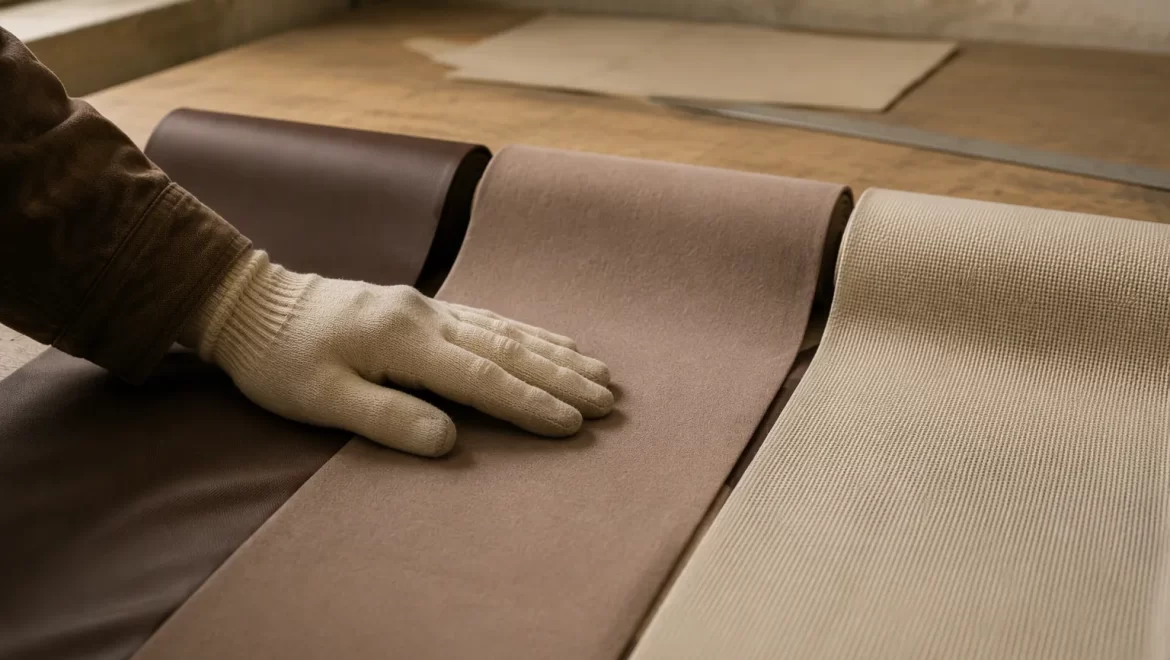
How Should You Choose Lining Materials for Pet Bag Products?
- Why the Lining Decides the Bag's Reputation
- The Lining Options in a Pet Bag Range
- The Criteria That Decide Between Them
- Polyester Taffeta as the Default
- Nylon Taffeta and Ripstop
- Brushed and Fleece Linings
- Coated and Backed Linings
- Mesh and Knit Linings
- Matching Lining to Use Case
- Weight, Bulk and Pattern Economy
- Colour, Fastness and Odour
- Testing Before Bulk
- Writing the Lining Specification
- Sourcing and Cost Drivers
- Lining Construction Details
- FAQ
The lining is the part of a pet bag that the buyer inspects most closely and the part a factory is most likely to treat as an afterthought. It touches the animal, it absorbs what the animal brings in, and it is usually the first component to look worn.
That makes lining selection a commercial decision rather than a technical footnote. A lining that sheds hair, holds odour or pills after a season of use will be blamed on the bag, not on the substrate, and the cost of that judgement lands on the brand.
This guide sets out how to choose: the lining options that actually appear in pet bag programmes, the criteria that decide between them, what each substrate does well and where it fails, how to match lining to use case, how weight and pattern economy affect the choice, what to test before bulk, and how to write the requirement so that what arrives is what was approved.
Why the Lining Decides the Bag's Reputation
Buyers judge the inside of a pet bag more harshly than the outside, because the inside is what the animal lives with.
The Part the Buyer Inspects First
An outer panel is judged at a distance, on shape and finish. The lining is judged at close range, often at the moment the bag is opened in front of the animal, which is when loose fibres, poor seam alignment and a thin hand feel become visible.
That inspection happens on every use, so a small weakness is repeated many times rather than seen once.
Where Complaints Actually Originate
Complaints in this category cluster around a small number of causes: hair and dust that will not come out, a damp smell that returns after cleaning, pilling where the animal's harness rubs, and seams that open under repeated loading.
All four are lining or lining-construction issues, and all four can be controlled at specification stage.
Why It Is Treated as an Afterthought
Lining is bought by area and costs a smaller share of the bag than leather or hardware, so it usually receives a correspondingly smaller share of engineering attention. The consequence is that a component touching the animal for the life of the product is specified in a few words.
Spending an hour on the lining specification is usually the cheapest improvement available in a pet bag programme.
The Lining Options in a Pet Bag Range
Most programmes settle on one to three substrates, and the difference between them is mostly about how the surface behaves rather than how it looks when new.
Woven Taffeta in Polyester and Nylon
Woven taffeta is the default lining in this category: a light, tightly woven fabric with a smooth surface that does not trap hair, available in a wide range of colours and easy to cut.
Polyester taffeta is the more common of the two because it holds colour well and costs less per metre. Nylon taffeta is lighter and tougher for the same weight, which matters where weight is being controlled.
Brushed, Fleece and Plush Fabrics
Brushed fabrics present a raised surface that feels soft and warm, which suits carriers where comfort is the selling point. The same raised surface is what traps hair and fine dust, and it is harder to wipe clean.
Plush and fleece variants sit at the softer end of this group and are usually reserved for mats and base liners rather than full interiors.
Coated Wovens
A coated lining combines a woven face with a coating or a laminated backing, which increases stiffness and slows liquid migration. The coating changes the hand feel, adds weight and can be the first thing to fail if flexed cold.
Where the coating is the main reason for the choice, the specification should state what the coating must resist rather than only naming the fabric.
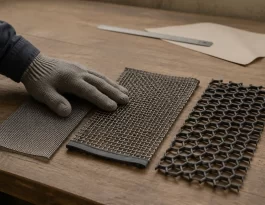
Mesh and Knit Structures
Mesh appears as a lining in panels rather than across an entire interior, and knit interlock is used where stretch and conformability are wanted. Both are legitimate options, but they belong to a different part of the design conversation than surface linings.
| Lining type | Surface behaviour | Typical use in a pet bag |
|---|---|---|
| Polyester taffeta | Smooth, sheds hair | Main interior lining |
| Nylon taffeta | Smooth, light, tough | Weight-critical carriers |
| Brushed fabric | Soft, traps hair | Comfort-led carriers |
| Fleece or plush | Very soft, absorbs | Mats and base liners |
| Coated woven | Stiff, resists liquid | Travel and outdoor ranges |
| Mesh panel | Ventilating, open | Panel accents |
| Knit interlock | Stretch, soft | Shaped or curved interiors |
The Criteria That Decide Between Them
Four criteria do most of the work, and a fifth group of secondary criteria decides the rest.
Cleanability
Cleanability is the first criterion because it is the one the buyer experiences weekly. A smooth, tightly woven surface releases hair with a wipe, while a raised or open surface holds it.
Cleanability should be defined in terms of what the buyer will do: wipe with a damp cloth, shake out, or machine wash. Each definition points to a different substrate.
Abrasion and Pilling
Abrasion resistance decides how the lining looks after a season. Where a harness, a buckle or the animal's own movement rubs against the surface, a loose or hairy yarn will pill.
Pilling is a visual failure even when the fabric is structurally sound, and it is the complaint most often attributed to cheap material.
Weight and Bulk
Lining weight contributes to the bag's total weight, which matters in a category where the animal is carried. Heavier linings also consume more seam allowance volume, which changes how a bag closes.
Where a design is already near its weight target, a lighter woven substrate can recover grams without changing the outside of the bag.
Cost Structure
Lining cost is driven by fibre, weight per square metre, colour and coating rather than by brand. Cost should be assessed per finished bag rather than per metre, because pattern efficiency changes the consumption.
The share of total material cost taken by lining is usually modest, so the difference between a good and a poor substrate is small relative to the difference it makes to the product.
| Criterion | Decisive when | Least forgiving option |
|---|---|---|
| Cleanability | Pet travels often | Brushed and plush surfaces |
| Abrasion and pilling | Harness contact is constant | Loose, hairy yarns |
| Weight and bulk | Animal is carried far | Heavy coated weaves |
| Cost per bag | Entry price point | Coated and plush options |
| Seam behaviour | Curved or tight interiors | Slippery coated wovens |
| Colour fastness | Light or dark exteriors | Poorly dyed brights |
| Odour retention | Confined travel | Absorbent fibres |
| Hand feel | Premium positioning | Stiff coated weaves |
Polyester Taffeta as the Default
Polyester taffeta earns its place by being predictable, which is a quality that matters more in a lining than novelty.
What It Does Well
It is tightly woven, so it does not trap hair, and its surface releases dust with a wipe. It holds dye well, which keeps colour consistent between production lots and between suppliers.
It also takes a print, allows a firm seam to be pressed, and behaves consistently under a needle, which reduces sewing variation across operators.
Where It Falls Short
Its abrasion resistance is moderate: under continuous rubbing against a harness or buckle it will eventually show a worn patch. It also retains static in dry conditions, which attracts hair to the surface rather than letting it fall away.
Neither is a reason to reject it, but both are reasons to use it in the right place and to specify the weight rather than leaving it open.
Specifying It Properly
Specification should state fibre, weight per square metre, weave, colour reference and any finish. Without weight, two suppliers can both deliver taffeta that meets the drawing and feels entirely different in the finished bag.
Nylon Taffeta and Ripstop
Nylon costs more than polyester, and the reasons to pay for it are specific rather than general.
Where Nylon Wins
For the same weight, nylon is stronger and more abrasion-resistant, which suits carriers that will be folded, stuffed and pulled in and out of vehicles. It also feels softer at lighter weights, which helps where a premium hand feel is wanted without adding grams.
The difference is most visible in the lightest styles, where the substrate is thin and the loads are concentrated at the seams.
Brushed and Fleece Linings
Softness is the easiest property to sell and the hardest to maintain, which is why brushed linings require the most careful placement.
Comfort as a Feature
A raised surface feels warmer and softer against an animal, and it reduces the sense of a hard shell, which suits carriers positioned around comfort and calm.
The Maintenance Penalty
The same raised surface traps hair, fine dust and odour, and it resists a damp wipe because the cloth rides over the fibres instead of lifting the soil out. Cleaning instructions become longer, and the buyer's tolerance for them becomes shorter.
Where a brushed lining is used, the cleaning method should be defined and printed rather than left to the buyer to discover.
Placing It Correctly
The best use of brushed fabric is in contact areas that can be removed or replaced: a base liner, a mat or a reversible cushion. Keeping it out of the permanent interior preserves the comfort benefit without exporting the maintenance problem to the whole bag.
| Placement | Suitability of brushed fabric | Reason |
|---|---|---|
| Permanent interior | Poor | Hair and odour retention |
| Base liner or mat | Good | Removable and replaceable |
| Contact pad | Good | Limited area |
| Hood interior | Moderate | Visible, harder to clean |
| Exterior trim | Poor | Soils quickly in use |
| Handle wrap | Moderate | Handled and cleaned often |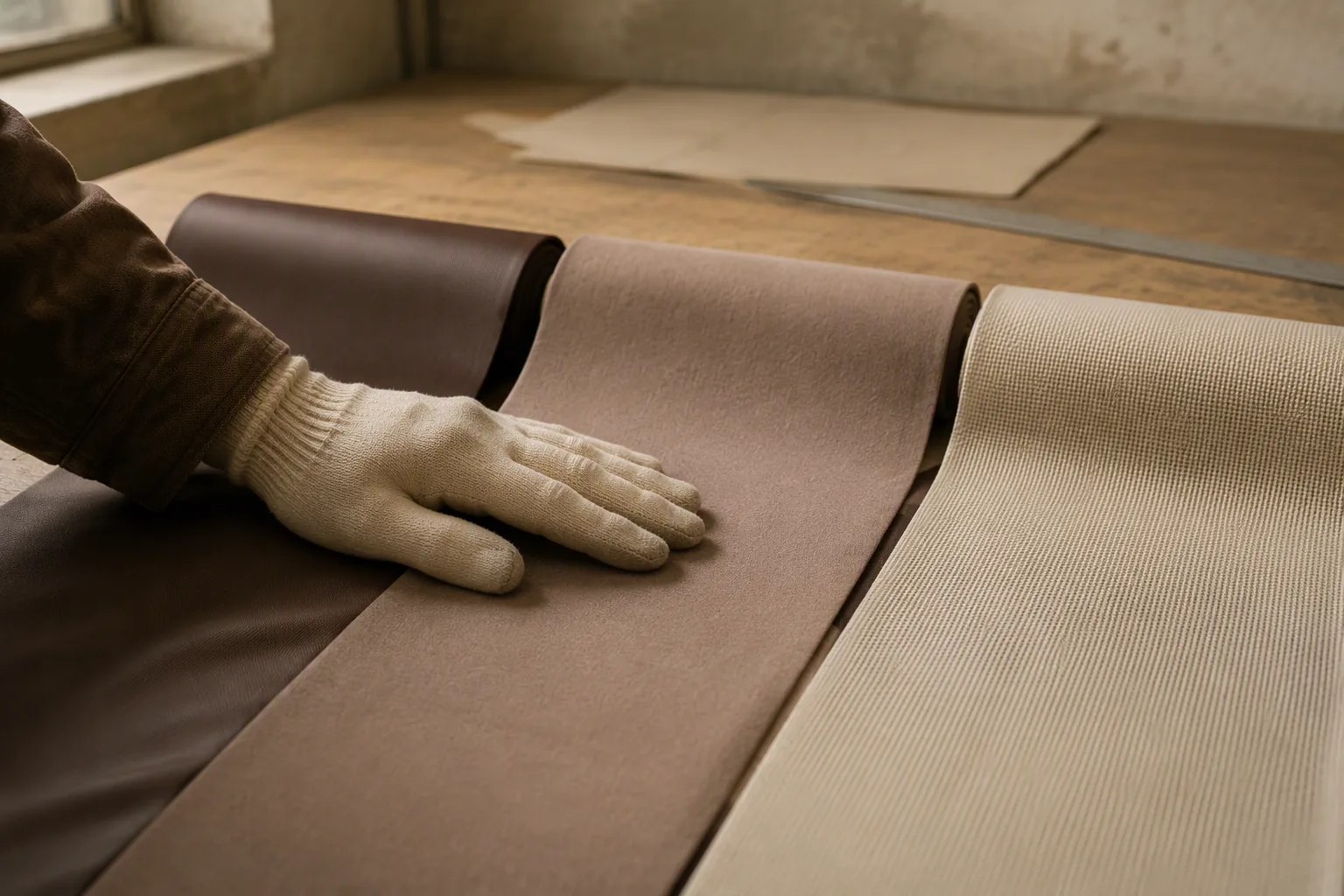
Coated and Backed Linings
A coating changes what the lining resists, and it changes everything else about the fabric as well.
What a Coating Buys
A coating or laminated backing slows liquid migration into the padding, which is useful where the bag is used in wet conditions or with young animals. It also adds body, which holds a shape in an unlined panel.
Where the requirement is genuinely about liquid, the specification should state the behaviour wanted and the test that demonstrates it, rather than naming a coating.
What It Costs
Coated linings are stiffer, noisier in use and heavier for the same coverage. They are also less tolerant of cold flexing, where a coating can crack before the woven face shows any wear.
Sewing behaviour changes too: a coated surface is slippery against feed dogs, which affects stitch quality and demands a suitable presser foot setting.
Where It Belongs
Coated linings suit travel and outdoor ranges and removable mats, where liquid protection is part of the product promise. In an everyday carrier, the added stiffness and noise are costs paid for a benefit the buyer may never use.
The decision is a positioning decision as much as a technical one.
Mesh and Knit Linings
Open and stretch structures solve problems that a flat woven lining cannot solve, which is why they are usually used in selected areas.
Mesh as a Functional Panel
Mesh provides airflow and visibility and is normally placed in panels rather than across the whole interior, where it would offer no surface protection against hair or dirt.
Where mesh is used, the specification must cover the aperture and the edge treatment, because both affect durability far more than the base fabric does.
Knit Interlock for Shaped Interiors
A knit conforms to curves and corners, which reduces the wrinkling and puckering that a woven lining produces in a strongly shaped panel. It also contributes softness without a raised surface.
The trade is that knits are more prone to snagging and generally less abrasion-resistant than a tightly woven taffeta.
Matching Lining to Use Case
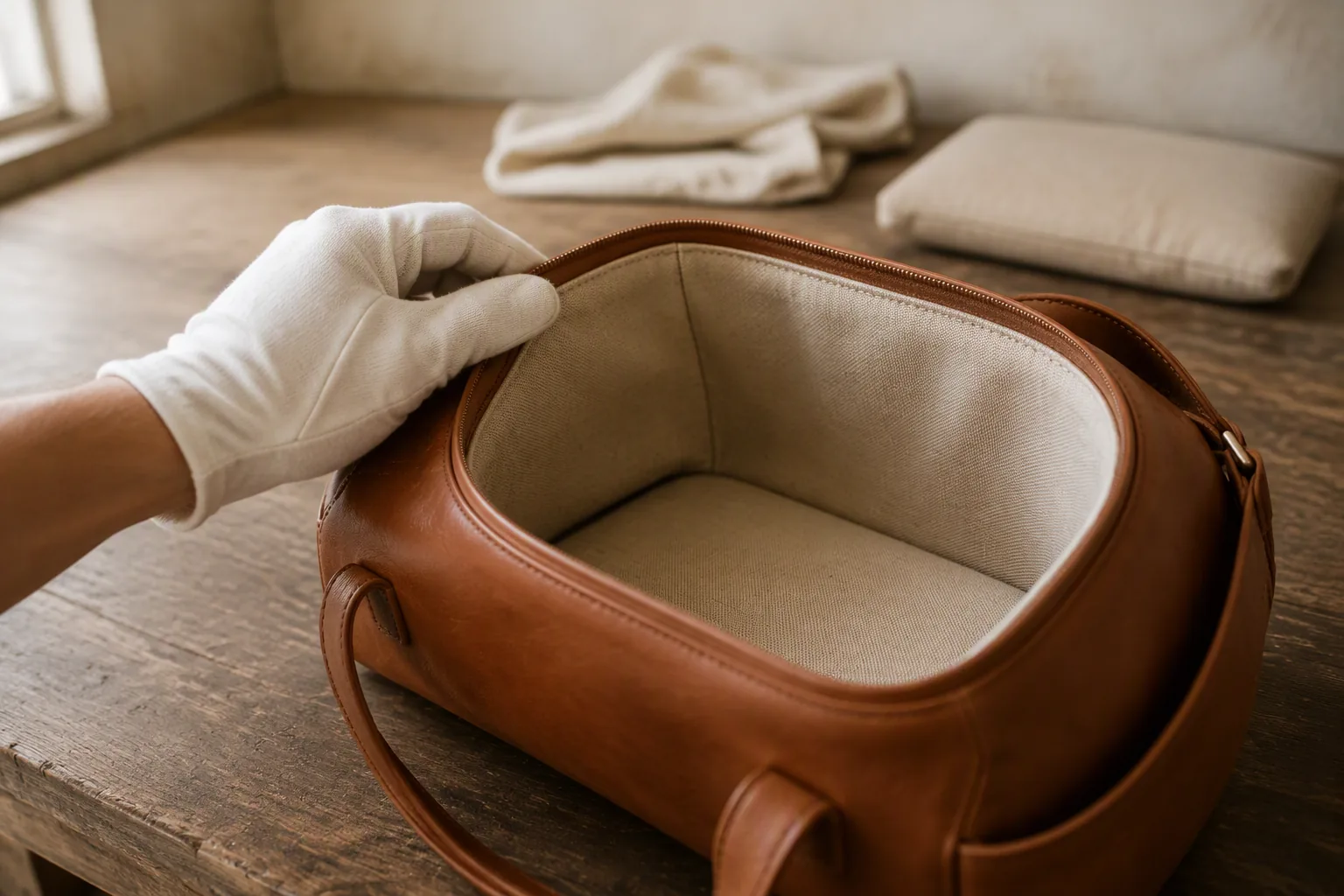
The same range is rarely used in one way, so the useful exercise is to list the ways the bag will be used and match the substrate to each.
Daily Carry and Short Trips
Daily use favours a smooth woven lining, because hair and dust accumulate quickly and cleaning is frequent. Abrasion at harness contact points is the long-term risk, which argues for a tighter weave or a stronger fibre.
Where the animal rides in a vehicle, contact with buckles and seat fittings should be checked at the design stage.
Travel, Trains and Air
Travel exposes the bag to compressed storage, variable temperature and close contact with other luggage. A tougher woven substrate with a modest coating holds up better in this pattern.
Weight matters more here, because the bag is carried for longer, which favours lighter substrates and fewer surface treatments.
Outdoor and Wet Conditions
Wet conditions justify a coated or backed lining, along with a specification for what must be resisted. Without a stated requirement, the coating is included on the strength of its name rather than its behaviour.
Drying speed becomes a criterion as well, because a slow-drying lining in a closed bag retains odour.
Young Animals and Mess-Prone Use
Young animals produce the highest cleaning frequency and the highest proportion of liquid incidents, which pushes the decision toward easy-wipe surfaces and removable liners.
In this pattern, the ability to remove and replace the contaminated part is worth more than the substrate's own properties.
| Use pattern | Priority | Linings that fit |
|---|---|---|
| Daily carry | Cleanability | Polyester taffeta |
| Vehicle travel | Abrasion resistance | Nylon taffeta, ripstop |
| Air and rail travel | Low weight | Light nylon taffeta |
| Wet outdoor use | Liquid resistance | Coated woven, backed lining |
| Young animals | Removability | Taffeta interior plus removable liner |
| Comfort-led positioning | Softness | Brushed fabric in removable parts |
| Shaped premium design | Conformability | Knit interlock |
| Warm-climate markets | Airflow and dry-out | Mesh panels with woven interior |
Weight, Bulk and Pattern Economy
Lining is chosen by the metre and consumed by the pattern, and the second number is where cost actually appears.
Weight Contribution to the Finished Bag
Lining weight is a small share of the total, but it is the share that can be reduced without changing the outside of the bag, which makes it useful when a style is over its weight target.
Replacing a heavy coated lining with a lighter woven one can recover weight, provided the lost liquid resistance is not part of the product promise.
Seam Allowance and Closing Behaviour
A thicker lining consumes more volume at every seam, which stiffens folds and changes how the opening closes. Where the pattern was developed with a light taffeta, substituting a coated or plush lining can make the bag visibly harder to close.
Nesting and Consumption
Lining patterns are cut from the same nesting logic as the exterior, and small changes in panel shape can change consumption noticeably. A substrate that is cheaper per metre can cost more per bag if it cannot be nested efficiently.
Consumption per bag is therefore the number to compare, and it should be measured rather than estimated.
| Factor | Effect on consumption | Check at sampling |
|---|---|---|
| Panel count | More pieces, more waste | Count against pattern |
| Grain and direction | Restricted nesting | Confirm direction rule |
| Width availability | Different cut plans | Confirm roll width |
| Coating direction | No reverse nesting | Mark face side |
| Print or stripe | Matching required | Review placement |
| Stretch direction | Limited rotation | Confirm for knits |
Colour, Fastness and Odour
A lining is chosen after the exterior is decided, and the interaction between the two is where avoidable problems appear.
Colour Matching and Contrast
A matching lining reads as considered, and a deliberate contrast reads as designed. An accidental near-match reads as a mistake, which is the outcome to avoid.
Where a lining is dyed to match leather, lot-to-lot variation should be expected and controlled with a reference rather than with a tolerance in words.
Colour Fastness
Light-coloured linings in light-coloured bags show soiling quickly, and dark linings can transfer colour to pale fur or to a light harness when damp. Both are fastness and specification issues rather than fabric quality issues.
Where a dark lining is used with a pale animal, a rub fastness requirement is worth stating explicitly.
Odour and Moisture Behaviour
Fibres differ in how much moisture they hold and how quickly they release it, which decides how a confined bag behaves after a wet journey. A lining that dries slowly keeps odour in the construction long after the surface is dry.
Removability addresses the same problem structurally, which is why removable liners appear in ranges that cannot use a coated substrate.
| Condition | Risk | Control |
|---|---|---|
| Dark lining, pale coat | Colour transfer | Rub fastness requirement |
| Light lining, daily use | Visible soiling | Contrast or replaceable parts |
| Dyed to match | Lot variation | Retained reference swatch |
| Confined travel | Odour retention | Fast-drying fibre |
| Bright colours | Poor fastness | Supplier fastness data |
| Wet storage | Mildew risk | Dry-out access |
Testing Before Bulk
Lining tests are inexpensive and fast, which makes skipping them difficult to justify after a complaint arrives.
Bench Tests Worth Running
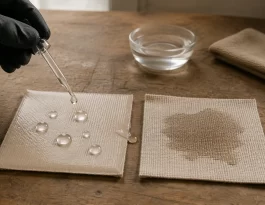
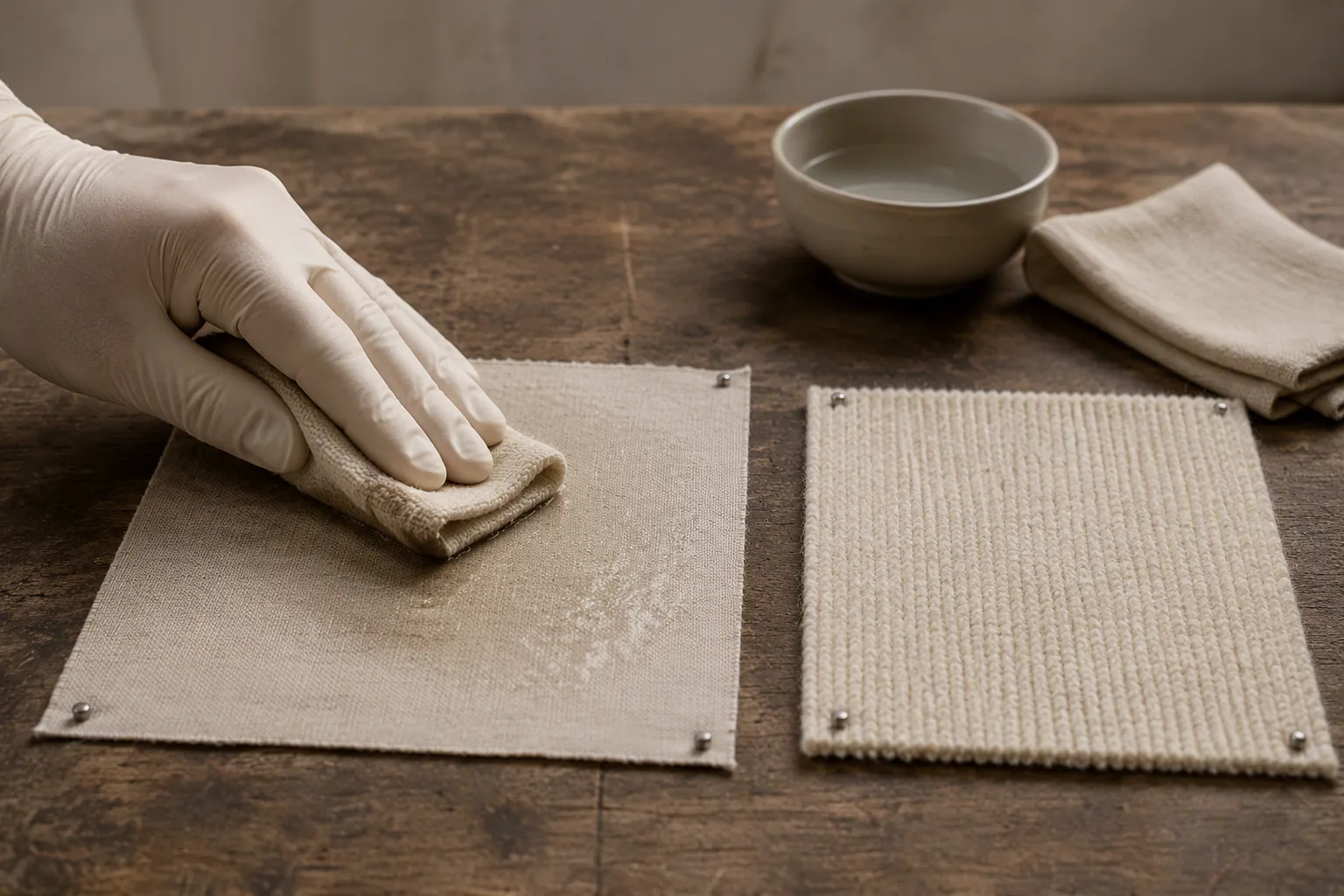
A wipe test with a damp cloth shows how the surface releases hair and soil. A rub test against a harness or buckle shows pilling behaviour within a short cycle.
A flex test on a coated lining, carried out cool, reveals cracking that would otherwise appear in a customer's hands.
Making Up and Washing
Sewing a sample panel and washing or cleaning it the way the buyer will shows seam behaviour, shrinkage and any colour change at the seam line. It also shows whether the cleaning method written on the label is realistic.
Where the lining is removable, the test should include removing and refitting it several times.
Recording the Result
The outcome should be recorded against the substrate and the supplier, so that a later substitution can be assessed against the same test rather than re-argued.
A short record is sufficient: test, condition, result and date.
| Test | What it reveals | Effort |
|---|---|---|
| Damp wipe | Hair and soil release | Minutes |
| Abrasion rub | Pilling and wear | Short cycle |
| Cool flex | Coating cracking | Short cycle |
| Sewn panel | Seam behaviour | One sample |
| Clean or wash | Shrinkage and colour change | One cycle |
| Remove and refit | Fixing durability | Minutes |
Writing the Lining Specification
Most lining problems trace back to a requirement that was never written down, which is why the specification is the highest-return document in this part of the programme.
What the Specification Must Contain
Fibre, weight per square metre, weave or structure, colour reference, finish and width are the minimum. Adding the cleaning method intended for the product closes the gap between what the fabric can do and what the buyer will do to it.
Where a coating is used, the requirement should state the behaviour and the test rather than the coating name alone.
The Sealed Sample
A sealed sample held by both parties converts the specification into something that can be compared. It removes the argument about hand feel, which is the property least well described in words.
Where more than one supplier is used, a single reference sample keeps the two outputs comparable.
Handling Substitutions
Substitutions are the most common cause of a lining changing without anyone deciding to change it. A written rule that any substitute must pass the same tests and be approved against the sealed sample prevents most of them.
Where a substitution is accepted, the reason and the test result should be recorded alongside the original.
| Specification item | Why it matters | If omitted |
|---|---|---|
| Fibre | Behaviour and cost | Arbitrary substitution |
| Weight per m² | Hand feel and durability | Two different products |
| Weave or structure | Surface behaviour | Wrong soil release |
| Colour reference | Consistency | Lot mismatch |
| Finish | Static and soil release | Unpredicted performance |
| Width | Consumption per bag | Cost variation |
| Cleaning method | Buyer compliance | Cleanability complaints |
| Coating requirement | Function | Coating by name only |
| Sealed sample | Common reference | Hand-feel disputes |
Sourcing and Cost Drivers
Lining is a commodity, so the negotiation is about consistency and consumption rather than about price alone.
What Drives the Cost
Fibre type, weight per square metre, colour and any coating are the main drivers, followed by order quantity and colour count. Wide colour ranges raise cost because each colour carries its own minimum and its own inventory risk.
Narrowing the interior palette to two or three colours is one of the most effective cost reductions available in this category.
Supplier Consistency
A lining that changes hand feel between deliveries damages the product quietly. Supplier selection should therefore weigh consistency, batch traceability and the willingness to hold a sealed reference above a marginal price difference.
Inventory and Lead Time
Lining is often ordered in the smallest quantity of any material, which makes it the most likely item to delay a production start. Holding a buffer in the standard interior colours is usually cheaper than expediting a small order.
Where a colour is seasonal, the decision to carry it should be made before the season rather than during it.
Lining Construction Details
Substrate choice answers part of the question, and construction answers the rest, because two bags with the same lining can behave very differently.
Seam Types and Finishing
An overlocked seam leaves a soft edge that will not fray but shows a ridge, while a bound or flat-felled seam leaves a cleaner channel at the cost of additional operations. Where the lining is visible at the opening, the seam treatment is part of the product's appearance.
The choice should be made with the visibility of the area in mind rather than applied uniformly across the bag.
Bagging Out and Turned Seams
Bagging the lining to the exterior through a gap produces a clean interior with no exposed raw edges, which is the most common construction in this category. It requires a pattern engineered for the turn, so a late change of lining thickness can distort the finished panel.
Where the lining is heavier than the original sample, the turn should be re-checked before production.
Attaching the Lining to the Shell
A lining that hangs loose can be pulled out and refitted by the animal, which is both untidy and a snag risk. Stitching the lining to the shell at selected points controls this without adding stiffness across the whole panel.
Those attachment points should be specified, because they determine how the bag wears more than the substrate does.
Fixing Removable Liners
Where the liner is removable, the fixing method decides whether the buyer will actually use it. Hook-and-loop tape, press studs and zip closures each fail differently: tape clogs with hair, studs can be pulled through a thin substrate, and zips need a tape strong enough for repeated cycles.
The substrate and the fixing should be developed together rather than selected separately.
| Construction choice | Benefit | Risk if poorly chosen |
|---|---|---|
| Overlocked seam | Simple, soft edge | Visible ridge |
| Bound seam | Clean channel | Extra operations |
| Bagged out | No exposed edges | Pattern must allow the turn |
| Loose lining | Cheap to assemble | Can be pulled out |
| Stitched at points | Controlled movement | Stitch marks if misplaced |
| Removable liner | Replaceable contact area | Fixing failure |
| Adhesive set | Flat appearance | Hardening over time |
FAQ
What is the best lining material for a pet bag?
A: There is no single best option. For everyday carriers, polyester taffeta in a specified weight gives the best balance of hair release, colour consistency and cost. Where weight and abrasion matter more, nylon taffeta performs better for the same weight.
Is polyester or nylon taffeta better for a pet bag lining?
A: Polyester holds colour well and costs less, while nylon is stronger and lighter for the same weight. Choose nylon where the bag is folded and pulled frequently or where weight is being controlled.
Why does a brushed lining cause cleaning complaints?
A: A raised surface traps hair, dust and odour, and a damp cloth rides over the fibres instead of lifting the soil out. The comfort benefit is real, but it should be placed in removable parts rather than across the whole interior.
Is a coated lining worth the extra weight?
A: Only where liquid resistance is part of the product promise. A coating adds stiffness, weight and noise, and can crack when flexed cold, so it should be specified by the behaviour required rather than by coating name.
Should the lining match the exterior colour?
A: Either a close match or a deliberate contrast reads as designed. An accidental near-match is the outcome to avoid, since it looks like a mistake rather than a decision.
What should a lining specification contain?
A: Fibre, weight per square metre, weave or structure, colour reference, finish, roll width, the intended cleaning method, and any coating requirement stated as a behaviour with a test.
Why is weight per square metre so important?
A: Because two substrates can both be described as polyester taffeta and still feel and wear completely differently. Without weight, the requirement is not a specification but a category.
Can a lining be changed after sampling?
A: It can, but the pattern should be re-checked first. A thicker lining consumes more volume at every seam, which changes how folds sit and how the opening closes.
How can lining consumption be reduced?
A: By confirming that the pattern nests efficiently, that the roll width suits the cut plan, and that the panel count is no higher than the design requires. Consumption per bag is the number to compare, not price per metre.
What happens if a dark lining is used with a pale animal?
A: Damp contact can transfer colour to pale fur or to a light harness. Where that combination is used, a rub fastness requirement should be stated explicitly.
Why does odour return after cleaning?
A: Because a slow-drying lining retains moisture in the padding and seams after the surface is dry. Fast-drying fibres and removable liners address the cause; stronger cleaning addresses only the symptom.
Which lining tests are worth running before bulk?
A: A damp wipe test for hair and soil release, a rub test against a harness or buckle for pilling, a cool flex test on coated linings, and a sewn panel washed or cleaned as the buyer would.
Why does the lining cause more complaints than leather?
A: Because it is inspected closely on every use and it touches the animal directly. A weakness that would be unnoticed on an outer panel becomes visible at the moment the bag is opened.
Should a removable liner be part of the design?
A: Where use involves a young animal or frequent travel, removability is usually worth more than any substrate property, because the contaminated part can be replaced or cleaned separately.
How many interior colours should a range carry?
A: As few as the design allows. Each additional colour carries its own minimum order quantity and inventory risk, which raises cost more than the fabric choice does.
How do you prevent a lining being substituted without approval?
A: State in the purchase terms that any substitute must pass the same tests and be approved against the sealed sample, and record the reason and the test result whenever a substitution is accepted.
Ready to fix the inside of the bag rather than only the outside? List how the range will be used, shortlist two or three substrates against cleanability, abrasion, weight and consumption per bag, and place soft surfaces in removable parts instead of permanent interiors. Write fibre, weight, colour, finish and cleaning method into the specification, run the wipe and rub tests before bulk, and hold a buffer in the standard colours.