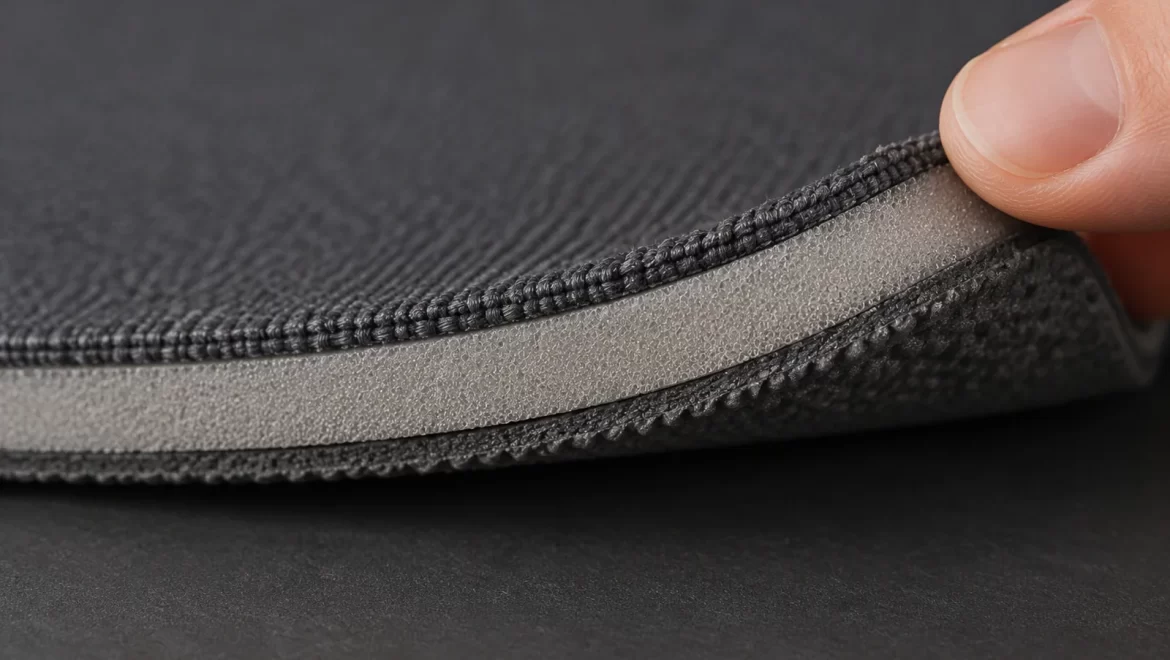
How Should Removable Pads Be Constructed in Pet Bags?
- What a Removable Pad Has to Do
- Foam Choice
- Cover Fabric Selection
- Closures and Openings
- Layering and Quilting
- Fit Tolerance and the Cavity
- Anti-Slip and Retention
- Wash Durability Testing
- Drying and Reassembly
- Sizing Across Bag Sizes
- Thickness and Load
- Edge Stability and Curl
- Waterproof Liners
- Odour and Hygiene
- Cost Structure
- Supplier Comparison
- Common Traps
- Documentation and Labelling
- Repair and Replacement
- Interaction With the Base Board
- Pet Behaviour and Wear
- Safety and Small Parts
- Working With the Sample Room
- Packing and Shipping the Pad
- Limits of the Specification
- Colour and Visible Soiling
- Care Instructions That Match the Build
- Ordering Spares and Reorders
- Developing the Pad Alongside the Shell
- FAQ
A removable pad is the part of a carrier that gets washed, chewed, folded and put back wrong, and it is also the cheapest component to get right. Yet it is usually specified last, after the shell, the hardware and the labelling have all been settled.
The result is predictable. The pad is cut to fit a pattern rather than a cavity, the foam migrates inside its cover, the closure fails at the second wash, and the buyer hears about a pad that bunches under the animal. This guide sets out how a bag manufacturer should construct, specify and verify a removable pad so that it survives the wash cycle and the fit tolerance at the same time.
What a Removable Pad Has to Do
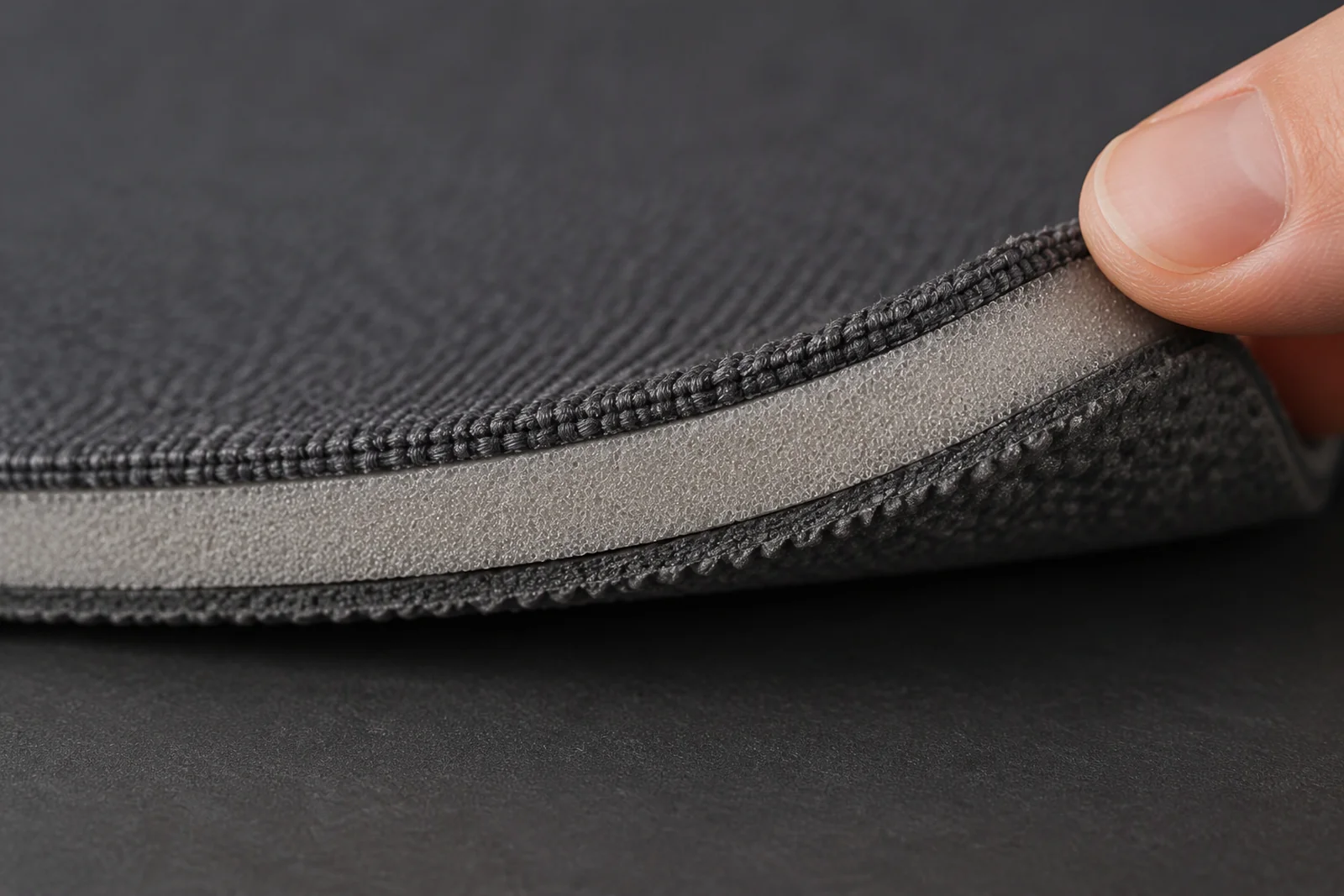
Four functions sit in one component, and they pull against each other in cost and in construction.
Comfort and Pressure Spread
The pad distributes an animal's weight over the floor and softens contact points at the elbows and hips. Density does the work here, not thickness alone.
Moisture and Soiling Control
The pad is the barrier that keeps liquid and hair off the base board. That makes it sacrificial by design: it should fail before the panel does.
Shape Retention
A pad that folds, creases or migrates inside its cover no longer covers the floor, and an uncovered corner is where the base gets wet.
Ease of Removal
A pad that is difficult to remove will not be washed. Friction fits and hidden zips read well on a specification and defeat the purpose in use.
Foam Choice
The core decides most of the behaviour, and the grade names used in the trade hide wide differences in performance.
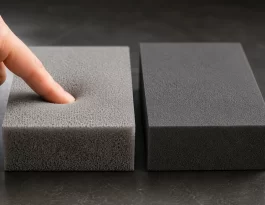
Open-Cell Foam
Open-cell polyurethane is soft, breathable and cheap, and it absorbs water into its structure. Once wet it dries slowly and holds odour, which is fatal in a washable pad.
Closed-Cell Foam
Closed-cell foam takes no water into the cell structure, recovers shape and keeps its thickness under load. It is the correct core everywhere the pad may get wet.
Memory and Rebond Foam
Memory foam is comfortable and slow to recover, which reads as quality in the hand and as sag in a carrier. Rebond is dense and heavy, and its weight sits at the bottom of the bag.
| Foam | Water behaviour | Recovery | Suitable for washing |
|---|---|---|---|
| Open-cell PU | Absorbs, holds | Medium | No |
| Closed-cell PE | Repels | High | Yes |
| Memory | Absorbs some | Slow | Limited |
| Rebond | Absorbs | Medium | No |
Cover Fabric Selection
The cover takes the abrasion, the washing and the visible staining, so it is selected for durability rather than for hand feel.
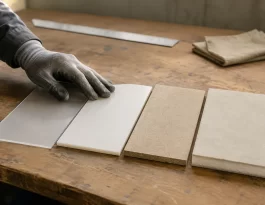
Woven Microfibre
A tight woven microfibre resists pilling and holds its colour through repeated washing. It is the default cover for a pad sold as machine washable.
Fleece and Plush
Plush surfaces feel soft and trap hair, sand and moisture in the pile. They are suitable for a pad that is brushed rather than washed.
Coated and Water-Resistant Fabrics
A coated face wipes clean and blocks liquid, and it does not breathe. In a closed carrier it traps condensation under the animal, which is a comfort and odour problem.
Knit versus Woven
A knit stretches to fit the foam and recovers after washing; a woven holds shape and does not accommodate a foam core that changes dimension. The choice follows the core.
Closures and Openings
The closure is the weakest point of any removable pad, and it fails before the fabric does in most returns.
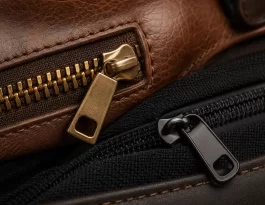
Zip Closure
A zip gives the cleanest finish and the best foam retention. It also adds a hard element against the animal and a failure point at the slider.
Envelope Flap
An envelope back needs no hardware and cannot jam. It releases under a determined digger, and the foam then escapes into the bag.
Hook and Loop
Hook and loop closes securely and collects hair in the loop side, which is a nuisance in exactly the place the pad is meant to stay clean.
Sewn Shut
A sewn pad cannot be opened, so the foam cannot be replaced and the interior cannot be inspected. It is the cheapest closure and the least serviceable.
| Closure | Foam retention | Hard parts | Serviceability |
|---|---|---|---|
| Zip | High | Yes | High |
| Envelope flap | Medium | No | High |
| Hook and loop | High | Partial | Medium |
| Sewn shut | High | No | None |
Layering and Quilting
How the layers are joined decides whether the pad stays flat or shifts into ridges after a few washes.
Bonded Layers
A bonded stack behaves as one sheet, cannot shift and cannot be separated for cleaning. Bonding is right for a pad that is wiped rather than washed.
Quilted Construction
Quilting stabilises the layers with stitch lines and creates channels that hold shape. The stitch pattern must not create a hard ridge at a pressure point.
Loose Layers
Loose layers allow air movement and separate drying, and they migrate. A loose stack needs either quilting or a tight cover to stay in place.
Edge Finish
A bound edge is durable and slightly thick; a turned and stitched edge is flatter. A thick bound edge at the pad perimeter creates a step the animal feels.
Fit Tolerance and the Cavity
A pad is made to a cavity, and the cavity is made by a seam that has its own tolerance, so the fit must be specified as a range rather than a size.
Measuring the Cavity
Measure the finished cavity of the sewn bag, not the pattern dimension. The difference between the two is the seam allowance and the fabric compression.
Allowing for Foam
Foam compresses and fabric does not, so the pad is cut to the cavity plus a small allowance. Too little allowance leaves gaps at the corners; too much creates a dome.
Corner Radius
A pad cut to a sharp corner will not seat in a rounded cavity. Match the radius to the finished bag, and the corners stay down without any fixing.
| Fit condition | Symptom in use | Cause |
|---|---|---|
| Too small | Gaps at corners, board exposed | Cut to pattern, not cavity |
| Too large | Domes, will not sit flat | Excess allowance |
| Correct | Flat, slight compression | Cavity plus allowance |
Anti-Slip and Retention
A pad that slides forward when the animal steps in is a design defect, and it is usually solved on the underside rather than with straps.
Grip Dots and Coatings
A printed grip pattern or a silicone dot coating raises friction against the base board. It adds almost no cost and works on smooth panels.
Underside Fabric Choice
A brushed or textured underside grips better than a slick woven one. The same fabric used on both faces is a common cause of sliding.
Hook and Loop Anchors
Anchors hold the pad in position through a wash and a shake. They also create a hard edge at the anchor point and collect hair.
Pockets and Sleeves
A shallow pocket at each corner retains the pad without hardware. It is the most durable retention method and the least visible.
Wash Durability Testing
A wash claim is a test result, not an intention, and the pad is the component that proves or breaks it.
Cycle Count
Wash a sample a stated number of cycles at a stated temperature. Twenty cycles is a reasonable minimum for a pad sold as machine washable.
What to Measure
Measure thickness recovery, seam integrity, colour change, closure function and fit afterwards. Five measures catch all the common failures.
Drying Between Cycles
Dry the sample as the care label instructs between cycles. Testing without drying hides the shrinkage and the foam degradation that customers see.
| Measure | Failure threshold | Typical cause |
|---|---|---|
| Thickness recovery | Under 90 percent | Foam collapse |
| Seam integrity | Any opening | Thread or stitch |
| Colour change | Visible shift | Dye bleed |
| Closure function | Any jam | Slider or pile |
| Fit after wash | Will not seat | Shrinkage |
Drying and Reassembly
The pad has to dry completely and go back in correctly, and both are influenced by how it is built rather than by the customer.
Airflow Through the Pad
A quilted or perforated pad dries faster than a bonded stack. Drying time is the practical limit on how often a pad can be washed.
Marking Orientation
A label or a shaped corner shows which way the pad goes back. Without a cue, a rectangular pad is reinstalled rotated, and the fit suffers.
Reassembly Without Tools
A pad that needs no tools to refit will be refitted. Zips, flaps and marked corners all support that; hidden press studs do not.
Sizing Across Bag Sizes
Pad construction scales with the cavity, and the same build rules do not hold at every size.
Small Cavities
A small pad needs less thickness for the same comfort and more attention to the edge, because the bound perimeter is a large share of the area.
Large Cavities
A large pad needs thickness and a foam that resists compression over a longer span, or the centre bottoms out under a standing animal.
Very Large Cavities
Beyond a certain size a single pad becomes awkward to wash and to dry. Two pads with a matched edge solve both problems at a small cost.
Thickness and Load
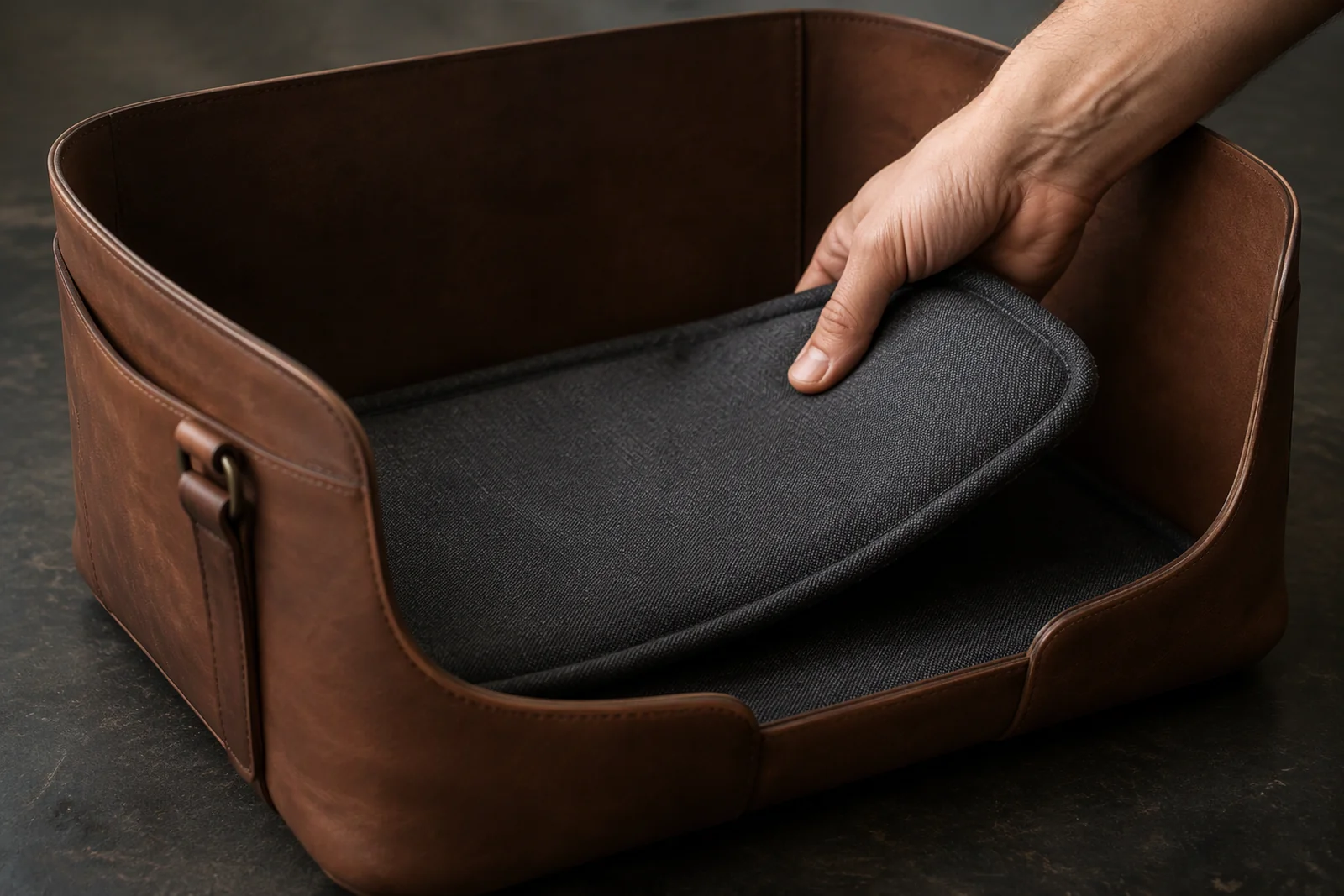
Thickness is the number buyers ask about, and it predicts comfort far less reliably than density does.
Density Over Thickness
A dense thin foam carries weight without bottoming out, while a soft thick one compresses to nothing under a standing animal. Density is the specification that matters.
Bottoming Out
When the foam compresses fully, the animal rests on the base board and the pad stops working. A pad that feels deep in the hand can still bottom out under load.
Layering for Comfort
A firm base layer with a softer top layer gives support and surface comfort together. Two densities cost more than one and justify it in larger bags.
| Build | Feel | Load capacity | Wash life |
|---|---|---|---|
| Single soft | Plush | Low | Short |
| Single dense | Firm | High | Long |
| Dual density | Plush and firm | High | Long |
| Bonded stack | Variable | Medium | Depends on bond |
Edge Stability and Curl
Pad edges curl after washing, and the curl is created at the construction stage rather than by the customer.
Bound Edge Behaviour
A bound edge with a stiff tape holds a straight line and can pucker after washing. Binding is durable and needs the right tape for the fabric.
Turned Edge Behaviour
A turned and stitched edge is flatter and curls less, and it thins the pad at the perimeter. On a thin pad the whole edge becomes the thin zone.
Stitch Density at the Edge
Too few stitches per unit length let the edge spread; too many perforate the fabric and start a tear. The edge is where stitch density matters most.
Waterproof Liners
A liner turns a soft pad into a moisture barrier, and its placement decides whether it works.
Liner Under the Cover
A laminate bonded to the cover fabric blocks liquid and cannot be inspected. Pinholes from quilting through the laminate defeat it silently.
Separate Liner Layer
A separate waterproof layer inside the cover can be removed, checked and replaced. It adds an assembly step and removes the guessing.
Breathability
A fully waterproof pad traps moisture under the animal. In a closed bag that is a comfort problem, and a vented cover is the compromise.
Odour and Hygiene
A pad absorbs what the animal brings in, so its hygiene performance is a function of what can be removed and what cannot.
What Cannot Be Washed Out
Open-cell foam and bonded stacks hold liquid inside the structure, and no surface cleaning reaches it. The odour is retained rather than removed.
Replaceable Covers
A cover that comes off and washes separately extends the pad's life and keeps the cost of replacement low when the core is still sound.
Spare Pads
Selling a spare pad changes the whole maintenance story: one washes while one is in use. It is the single most effective hygiene feature available to a manufacturer.
Cost Structure
Pad cost is dominated by labour at the closure and the edge, not by the foam, and that is where design changes pay.
Where Cost Sits
Foam and fabric are materials with predictable prices. Cutting, closing and turning are the operations that scale with complexity.
Reducing Cost Without Reducing Life
One closure type across all sizes, a standard corner radius and a common pad thickness simplify the line. Each saves setup time and reduces error.
When Cheap Is Correct
A pad that is replaced rather than washed can be sealed and simple. The mistake is the same pad sold with a wash claim it cannot meet.
| Cost driver | Share of unit cost | Lever |
|---|---|---|
| Foam | Moderate | Grade and thickness |
| Cover fabric | Moderate | Standardise colours |
| Closure labour | High | One closure type |
| Edge labour | High | Consistent radius |
| Testing | Low per unit | Once per grade |
Supplier Comparison
Pads are cut and sewn components, and two suppliers quoting the same specification can deliver different foam and different stitch density.
Foam Verification
Ask for density and cell structure rather than a grade name. A density figure and a cut sample settle what a grade name leaves open.
Stitch and Seam Checks
Count stitches per unit length and inspect the seam allowance on the sample. These are the two variables that change most between suppliers.
The Sample Room Standard
Keep an approved pad for each size and grade. A physical standard settles disputes faster than a drawing or a certificate.
Common Traps
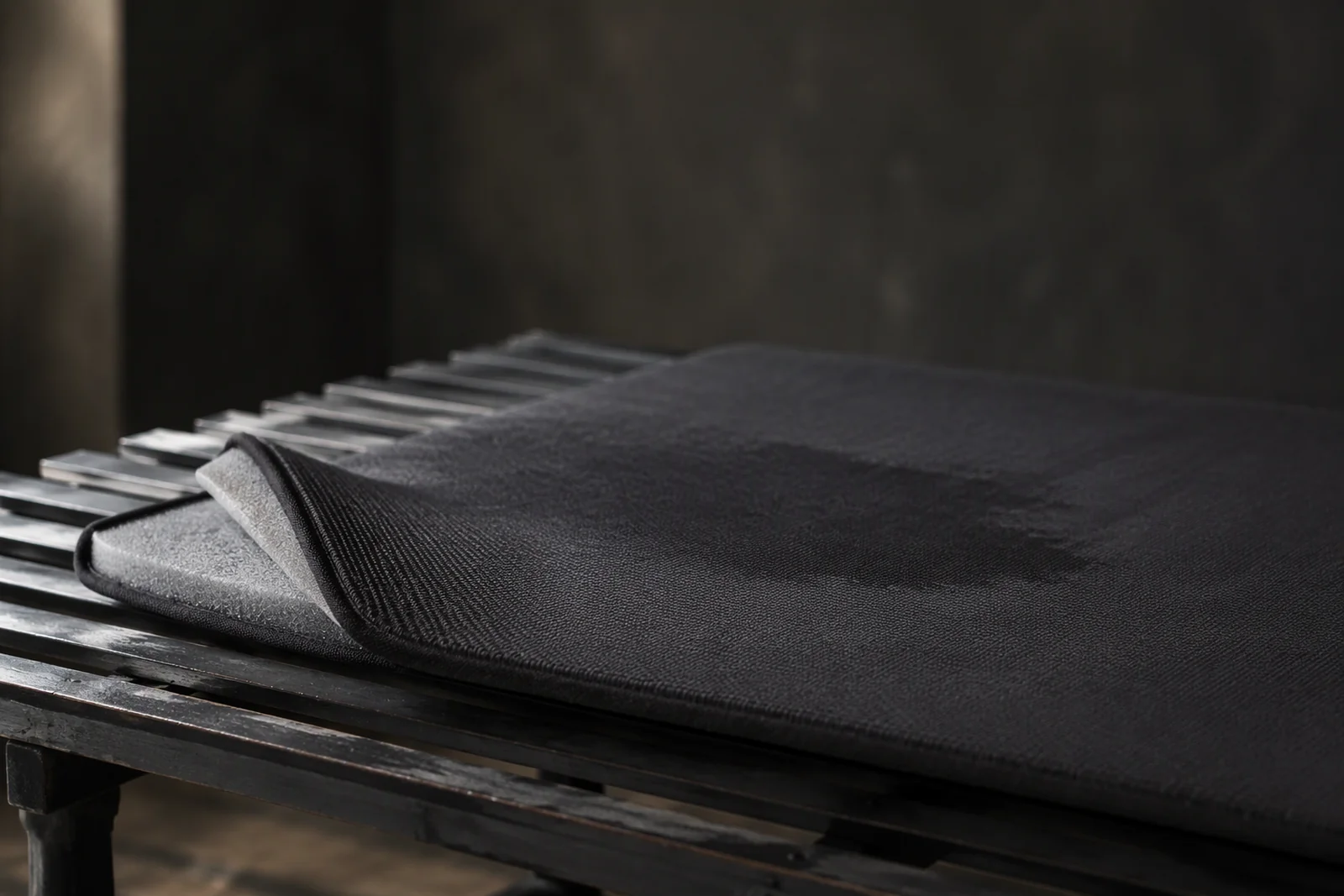
Eight traps account for most pad complaints, and every one of them is fixed on the drawing rather than in the sewing line.
Cutting to the Pattern
The pattern is larger than the cavity. Cutting the pad to the pattern produces a pad that will not seat.
Open-Cell Foam With a Wash Claim
The foam absorbs water, dries slowly and holds odour. A wash claim on an open-cell core is indefensible after a few cycles.
Quilting Through a Laminate
Stitch lines through a waterproof laminate create pinholes. The pad looks waterproof and passes liquid at every stitch.
No Orientation Cue
A plain rectangular pad is reinstalled rotated. A shaped corner or a label removes the error.
Bound Edge Too Thick
A heavy binding creates a step at the perimeter that the animal feels. It also reduces the usable floor area.
Closure at the Pressure Point
A zip running across the middle of a pad puts a hard element where the animal lies. Move it to the edge or the end.
Slick Both Faces
The same fabric on both sides slides on a smooth base board. The underside needs texture or a grip coating.
No Spare Available
Without a spare, the pad is washed and refitted wet, which shortens its life and leaves the bag unusable in between.
Documentation and Labelling
The pad is the component a customer interacts with daily, so the information printed on it carries more weight than the information on the bag.
Care Symbols
Wash temperature, drying method and ironing restrictions belong on the pad, not only on a hangtag that gets lost. Symbols are read in the laundry.
Composition
Fibre content and any waterproof layer should be stated. A buyer who cannot identify the material will wash it wrongly.
Size and Orientation Marks
A size code and an orientation cue make the pad serviceable. Both are nearly free at the cutting stage and expensive to add later.
| Marking | Where | Purpose |
|---|---|---|
| Care symbols | Pad or cover | Correct washing |
| Composition | Cover | Allergen and material |
| Size code | Concealed edge | Spare ordering |
| Orientation | Corner | Correct refit |
Repair and Replacement
A pad is the one component that can be replaced cheaply, and designing for that changes how the bag is bought and kept.
Replacing the Cover Only
If the cover is separable and the core is sound, the cover alone restores the pad. This is the cheapest repair in the whole carrier.
Replacing the Core
A foam core that has collapsed can be replaced where the closure opens. A sewn pad has to be discarded.
Selling Spares
A spare pad is a low-cost accessory with a clear message, and it moves the maintenance burden away from the bag itself.
| Repair | Feasible | Cost signal |
|---|---|---|
| Cover only | Yes | Low |
| Core only | Yes if openable | Low |
| Whole pad | Yes | Moderate |
| Sewn pad | No | Full replacement |
Interaction With the Base Board
The pad and the base board are a stack, and each one changes how the other performs.
Load Transfer
A pad spreads the load and reduces the point pressure that reaches the board. A thin pad on a light board is a combination that fails early.
Moisture Barrier
A pad with a waterproof layer keeps liquid off the board, which is worth more than any board upgrade. The pad is the cheaper moisture control.
Thickness Budget
Total stack thickness is limited by the bag's interior height. Adding pad thickness may require reducing board thickness or the walls.
Pet Behaviour and Wear
Wear follows behaviour, and the behaviours that damage a pad are consistent enough to design against.
Digging and Circling
A digging animal pushes the pad forward and works at the corners. Corner pockets and a grippy underside address both.
Chewing
A pad edge is the accessible target. A bound edge with tight stitching resists longer than a turned edge with loose stitches.
Scratching
Claws abrade the cover surface and pull at the quilting. A tight woven cover outlasts a plush one by a wide margin.
| Behaviour | Damage | Design response |
|---|---|---|
| Digging | Pad displacement | Pockets, grip |
| Chewing | Edge failure | Tight edge stitch |
| Scratching | Surface wear | Tight woven cover |
| Soiling | Staining | Removable cover |
Safety and Small Parts
A removable pad introduces parts that can be pulled off, swallowed or trapped, and the construction should remove the possibility rather than warn about it.
Detachable Hardware
Press studs, clips and hook and loop tabs can be detached and swallowed. A pad that fixes with fabric pockets has no small parts at all.
Zips and Sliders
A zip slider is the one hard element a determined animal can reach. Where a zip is used, it belongs on the underside or behind a flap.
Entrapment at the Edges
A pad that stands proud of the cavity edge creates a gap that a paw can enter. Matching the pad to the finished cavity removes the gap.
Working With the Sample Room
Pad development is quick and cheap, and it rewards a maker who builds the full stack rather than a flat pattern.
Build the Stack
Cut the pad to the finished cavity, insert it, and check the floor with the animal's weight simulated. Stack testing catches fit issues that a flat sample cannot.
Wash Before Approval
Approve the sample only after a wash and dry cycle. A pad that changes shape on the first wash is not the pad that was approved.
Freeze the Standard
Keep the washed, approved sample as the standard. It represents what arrives at the customer rather than what left the sample room.
Packing and Shipping the Pad
A pad is soft and compresses, so it is easy to protect and easy to distort in a carton.
Compression in Transit
A pad packed under heavy items takes a set and recovers slowly. Packing it flat and near the top of the carton avoids that.
Moisture in the Carton
Foam and fabric take moisture from a humid container. A desiccant sachet in the pad carton is inexpensive insurance.
Spare Pads as Accessories
A spare pad packed with the bag should be bagged separately. Loose pads absorb odour from the bag and lose their presentation.
Limits of the Specification
A pad specification sets a floor, and stating its limits keeps the wash claim honest.
What It Cannot Control
How often the pad is washed, what detergent is used and how it is dried. Each can shorten life regardless of construction.
What It Should Not Promise
Machine washing with an open-cell core, waterproofing through a quilted laminate, or indefinite shape retention. Claims follow test results.
Where the Real Gain Is
A removable cover, a spare pad and corner pockets cost little and deliver more than any upgrade in foam grade.
Colour and Visible Soiling
Pad colour is treated as a styling decision and behaves as a durability decision, because a pad that shows every mark is judged as worn.
Light Colours
A cream or pale grey pad shows hair, soil and water marks on the first use. It photographs well in the sample room and poorly after a month.
Dark and Mid Tones
A mid brown or charcoal hides soiling and shows wear through sheen instead. Most durable pad programmes settle in this range.
Pattern and Texture
A small woven texture or a fine pattern masks marks better than any plain colour. Texture also hides the pilling that follows washing.
| Colour route | Soiling visibility | Perceived life | Notes |
|---|---|---|---|
| Pale plain | High | Short | Best for photography |
| Mid plain | Medium | Medium | Most common |
| Dark plain | Low | Medium | Shows sheen |
| Textured mid | Low | Long | Hides pilling |
Care Instructions That Match the Build
The care label is a construction document, and a mismatch between the label and the build produces failures that look like defects.
Wash Temperature
State the highest temperature the cover and the foam tolerate together. The lower of the two governs, and testing confirms it.
Detergent Type
Neutral detergent protects coatings and dyes; biological powders attack protein soiling effectively and age some coatings faster. State one.
Drying Method
Air drying is correct for closed-cell foam and for coated fabrics. Tumble drying is acceptable only where the test has shown the pad recovers.
Ordering Spares and Reorders
A pad is bought again more often than the bag is, so the way it is ordered decides whether the second purchase fits.
Size Codes That Persist
A size code tied to the finished cavity, not to a season or a model name, lets a customer order a correct spare a year later.
Colour Continuity
Dyed lots shift. Recording the lot for each production run allows a later spare to be matched, or an honest note that the shade has moved.
Documenting the Build
Record foam density, cover fabric, closure type and thickness. Without those four fields a reorder is a guess that the supplier will interpret differently.
| Reorder risk | Cause | Control |
|---|---|---|
| Wrong size | Code tied to model name | Cavity-based code |
| Shade mismatch | Dyed lot change | Record lot per run |
| Different feel | Foam grade drift | Record density |
| Different closure | Supplier change | Approved sample |
Developing the Pad Alongside the Shell
A pad developed after the shell is finished is a pad that fights the shell, and the cost of that ordering is paid in fit complaints.
Prototype Together
Build the pad against the first sewn cavity, not the pattern. The cavity tells you the true dimension while changes are still free.
Test With the Animal's Weight
Load the assembled bag with a weight close to the intended animal. A pad that feels right in the hand can bottom out under real load.
Freeze Both Drawings Together
Approve the pad and the cavity as a pair. A change to either without the other is the most common source of a pad that no longer seats.
FAQ
What foam should a washable removable pad use?
A: Closed-cell foam. It takes no water into the cell structure, recovers its thickness and keeps working after repeated cycles, which open-cell foam cannot do.
Why does the pad not fit the bag it was made for?
A: Because it was cut to the pattern rather than to the finished cavity. The cavity is smaller by the seam allowance and fabric compression, so the pad must be specified against the sewn bag.
Which closure lasts longest?
A: A zip gives the best foam retention and the cleanest edge. An envelope flap has no hard parts and releases under a determined digger, so the choice depends on the animal.
Is a bound edge better than a turned edge?
A: A bound edge is more durable and slightly thicker. On a thin pad the binding creates a step at the perimeter that the animal feels, so thickness decides.
How many wash cycles should a pad survive?
A: Twenty cycles at the stated temperature is a reasonable minimum for a machine-washable claim, measured for thickness recovery, seams, colour, closure and fit.
Why does the pad slide forward in the carrier?
A: The underside is too slick. A textured underside, a grip coating or fabric corner pockets raise friction without adding hardware.
Can a pad be quilted and still be waterproof?
A: Not through the laminate. Stitch lines create pinholes and the pad passes liquid at every stitch. A separate liner layer avoids the conflict.
How thick should a pad be?
A: Density matters more than thickness. A dense thin foam carries weight without bottoming out, while a soft thick one compresses to nothing under a standing animal.
Why does a damp pad smell even after washing?
A: Because the moisture is inside an open-cell core and surface cleaning does not reach it. A closed-cell core and a removable cover remove the mechanism.
Should the pad be sold with a spare?
A: It should. One pad washes while one is in use, which is the most effective hygiene feature available and a low-cost accessory for the manufacturer.
How is the pad marked for correct refitting?
A: A shaped corner, a concealed size code or a small label on the underside. Without a cue a rectangular pad is reinstalled rotated and the fit suffers.
What is the cheapest way to cut pad cost?
A: Standardise. One closure type, one corner radius and one thickness across sizes remove setup time and error, and cost less than downgrading the foam.
Does the pad affect the base board?
A: Directly. It spreads load and, where it carries a waterproof layer, keeps liquid off the board. A pad upgrade is cheaper than a board upgrade.
Can the cover be replaced on its own?
A: Where the closure opens, yes, and that is the cheapest repair in the carrier. A sewn pad has to be discarded when the core collapses.
What should the care label state?
A: Wash temperature, detergent type and drying method, all set by the lower limit of cover and foam together and confirmed by a wash test.
What should a pad specification not promise?
A: Machine washing with an open-cell core, waterproofing through a quilted laminate, or indefinite shape retention. The claim should follow the test.
Ready to stop replacing pads that bunch and smell? Cut to the finished cavity, specify closed-cell foam by density, put the closure at the edge rather than under the animal, and sell a spare so one pad always dries properly.