How Should Tooling and Sample Fees Be Negotiated With Factories?
- What the Fees Actually Buy
- Why Factories Charge Them
- Reading a Fee Breakdown
- Tooling: Dies, Moulds and Cutters
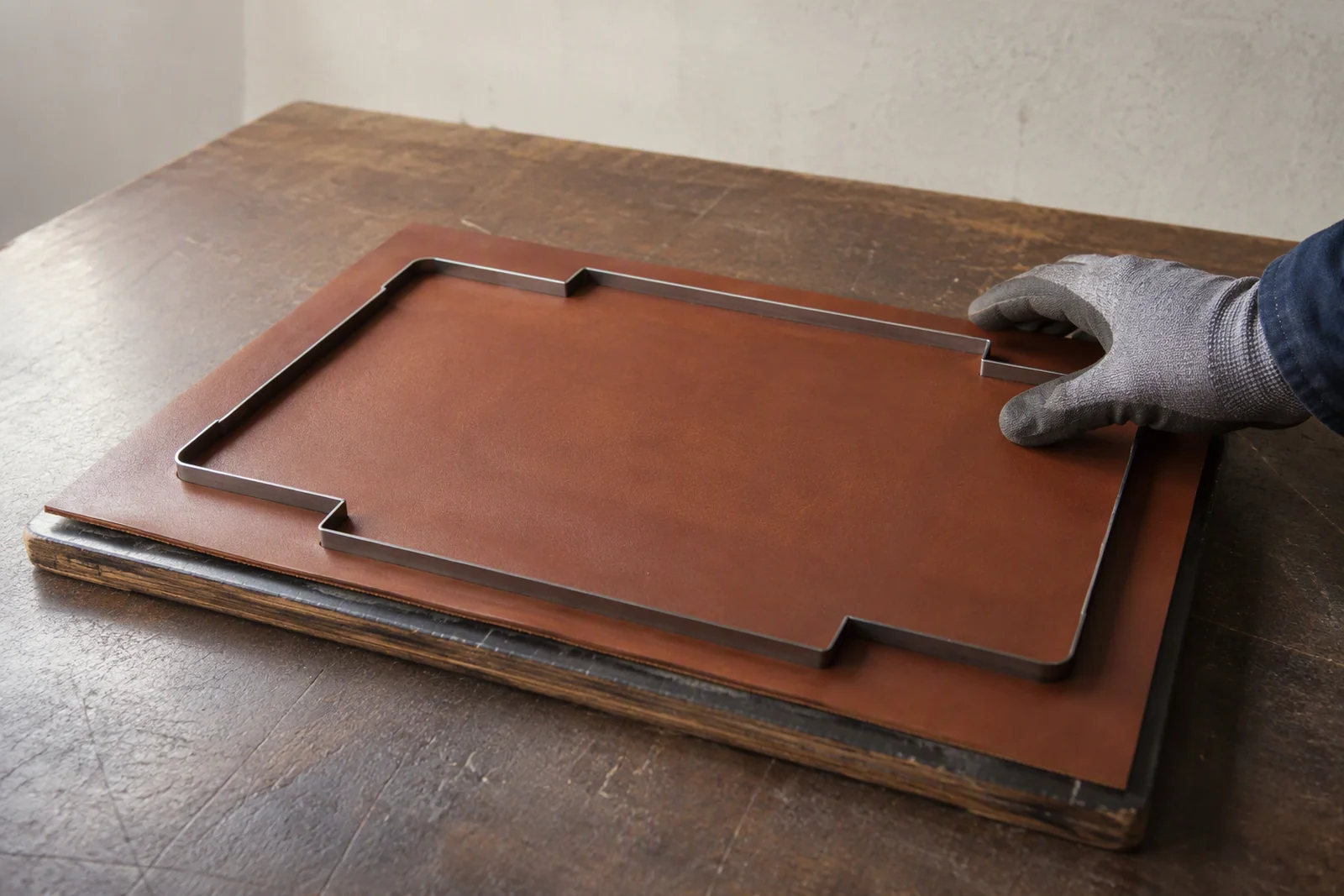
- Patterns, Templates and Fixtures
- Sample Fees and Rounds
- Credits Against Bulk Orders
- Ownership, Retrieval and Transfer
- Amortisation Versus Upfront
- Negotiating Without Damaging the Relationship
- Payment Terms and Milestones
- Writing It Into the Quotation
- Common Traps
- When to Walk Away
- Hardware and Leather Tool Differ
- Sample Feedback That Saves Rounds
- Keeping the Record for Repeat Styles
- When the Design Is Still Moving
- Working Through an Intermediary
- Tooling in a Seasonal Calendar
- Insurance, Damage and Replacement
- Tooling for Packaging and Print
- A Negotiation Sequence
- FAQ
Tooling and sample fees are the part of a bag quotation that buyers most often treat as friction, and factories most often treat as insurance. Both readings are correct, which is why the negotiation goes badly when it starts from the fee rather than from what the fee buys.
A fee that is understood is usually easy to settle. A fee that appears as a line item with no explanation invites a discount request, and a discount on an unexplained cost is a discount on something that will be needed later.
What the Fees Actually Buy
Tooling fees buy assets; sample fees buy work. Treating them as the same kind of cost is the first mistake.
Tools Are Capital
A die, a mould, a cutter or a set of boards is a physical asset with a life measured in years. It is used for your product and often for nothing else, which is why the factory asks to be paid before it exists.
Samples Are Labour and Material
A sample fee covers a technical person's hours, a material cut, and the time a machine spends on a run of one. Nothing remains afterwards except knowledge.
Where the Two Get Mixed
Many quotations bundle the two into a single development charge, which makes both harder to discuss. Splitting them allows the tool to be owned and the sample to be expensed.
| Fee type | What remains | Natural owner |
|---|---|---|
| Die or mould | A physical tool | Buyer, if paid |
| Boards and templates | Working assets | Factory, usually |
| Sample rounds | Knowledge only | Buyer, expensed |
| Counter samples | Reference | Buyer |
Why Factories Charge Them
A factory charging for tooling is not being difficult; it is pricing a risk that does not exist for a standard product.
Cost Without Volume
Tooling is made before any order is confirmed. If the order never arrives, the factory carries a cost with no recovery, and most factories have experienced exactly that.
Signalling Commitment
A buyer willing to pay for tooling is a buyer likely to place the order. The fee functions as a filter, and factories know it.
Protecting Capacity
Sample room time competes with production. A fee keeps the sample room from being used as free design consultancy by buyers who are still comparing suppliers.
| Reason for the fee | Legitimate | Negotiable |
|---|---|---|
| Tool cost before order | Yes | Payment timing |
| Sample labour | Yes | Number of rounds |
| Commitment filter | Partly | Credit against bulk |
| Design work | Depends | Scope definition |
Reading a Fee Breakdown
A quotation with one development charge cannot be negotiated intelligently, because there is nothing to agree or disagree with.
Asking for the Split
Ask for tooling, sampling and any design time as separate lines. A factory that can separate them knows its own costs, which is itself useful information.
What Each Line Should Contain
Tooling should name the tool, its material and its expected life. Sampling should name the number of rounds and what is included in each.
When the Split Is Refused
A refusal is usually commercial rather than technical. It may mean the tooling is shared with another customer, or that the fee includes margin the factory prefers not to show.
Neither is fatal, but both change how the number should be treated.
| Line | Should state |
|---|---|
| Tooling | Tool type, material, life |
| Sampling | Rounds, inclusions |
| Design time | Hours, deliverable |
| Freight | Samples and tools |
Tooling: Dies, Moulds and Cutters
Tooling for bags is usually modest compared with footwear or hard goods, and the modest size is why it is often under-specified.
Cutting Dies and Clickers
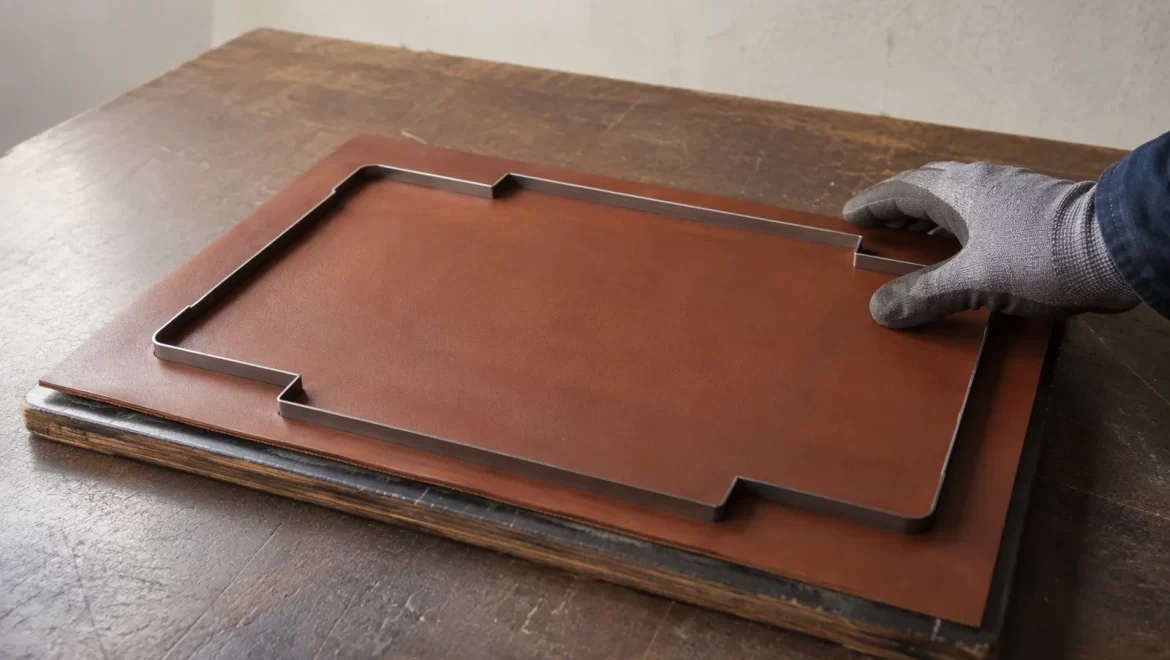
A cutting die shapes panels and is used for the life of the style. Two dies for two factories are two costs, and they should be made to the same drawing or the panels will differ.
Hardware Moulds
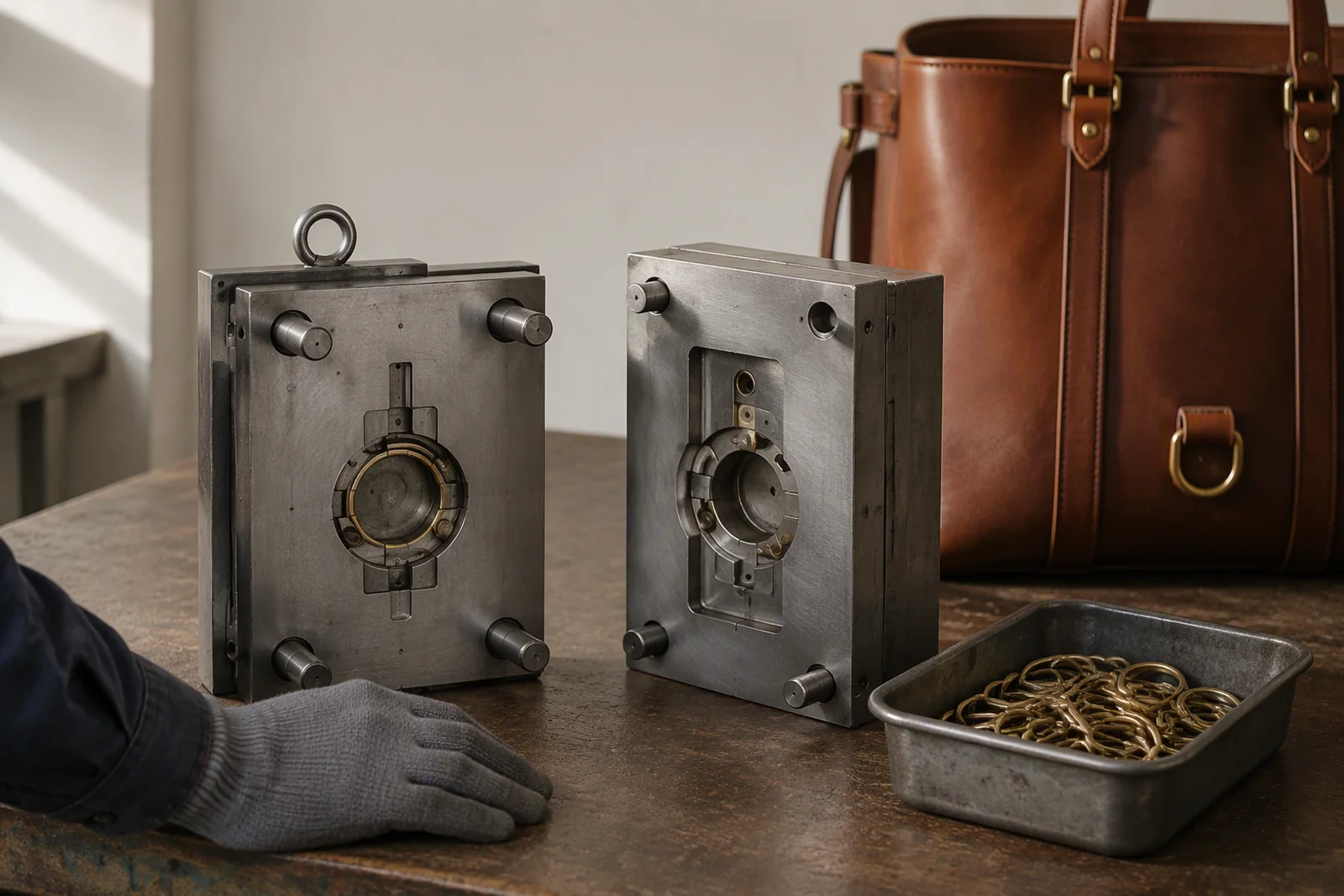
Custom hardware needs a mould, and the mould is the largest single tooling item in most bag programmes. Its cost should be quoted with the hardware price, not separately later.
Edge-Fold and Stitch Guides
Small fixtures shape edges and hold stitch distance. They are cheap individually and decisive for consistency, which makes them worth naming in the quotation.
| Tool | Life | Owner |
|---|---|---|
| Cutting die | Style life | Buyer if paid |
| Hardware mould | Product life | Buyer if paid |
| Edge guide | Line life | Factory |
| Stitch gauge | Line life | Factory |
Patterns, Templates and Fixtures
Paper patterns and working templates sit between tooling and administration, and where they sit decides who pays and who keeps them.
Pattern Files
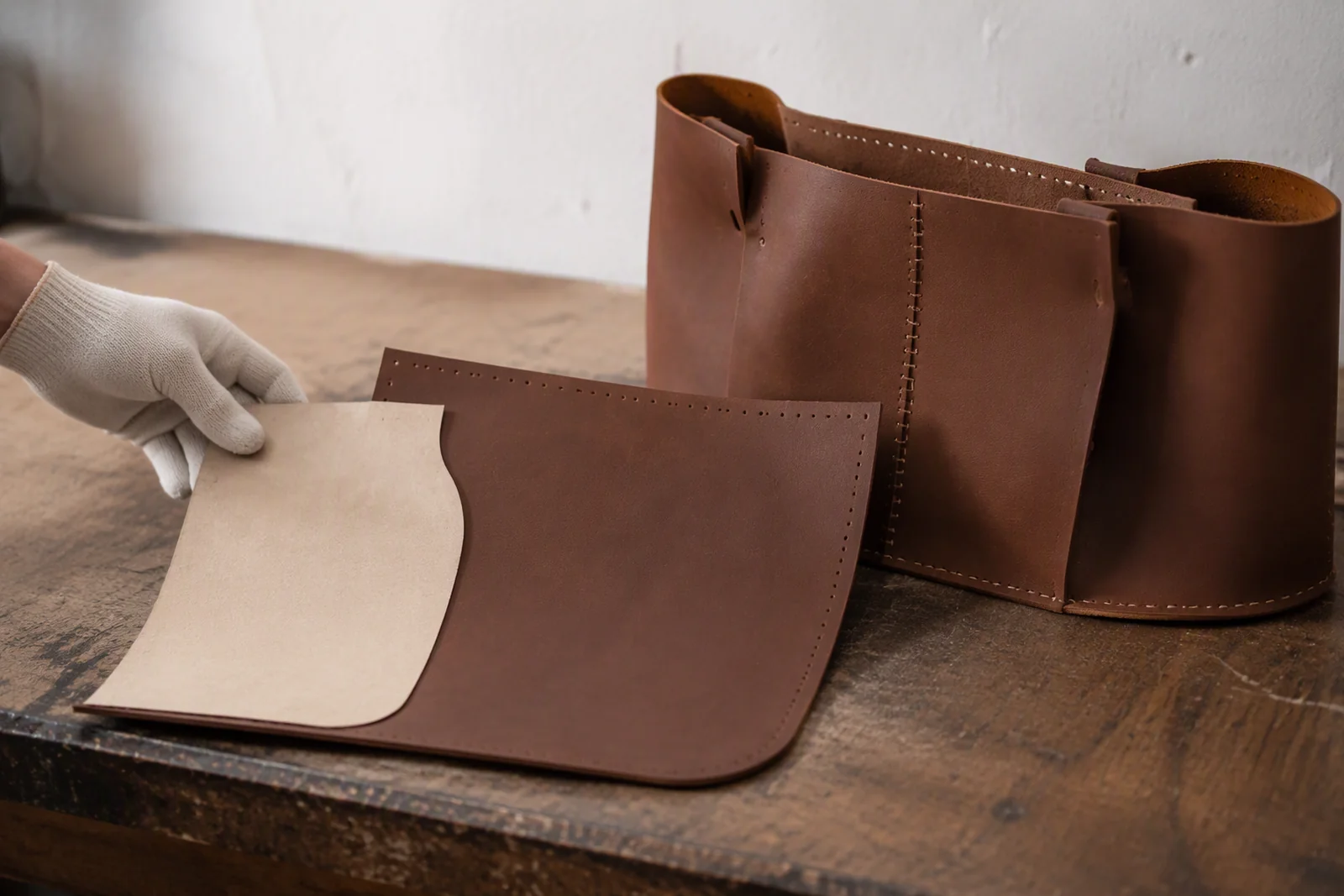
A pattern file is a document, and documents are usually absorbed into the sample cost. The cost is small; the ownership question is not.
Working Templates
A template used on the line is a working asset the factory will keep and maintain. Charging the buyer for it is reasonable only if it is also handed over.
Who Maintains What
Styles change, and templates change with them. The party that maintains them should be the party that owns them, which is usually the factory.
| Item | Typical treatment |
|---|---|
| Pattern file | Included in sampling |
| Production template | Factory owned |
| Graded patterns | Quoted separately |
| Digital archive | Buyer copies |
Sample Fees and Rounds
A sample fee is easiest to negotiate when the number of rounds is fixed, because the uncertainty is what the factory is pricing.
The First Sample
The first sample carries design interpretation and pattern making, so it is the most expensive round. It is also the round most likely to be revised.
Revision Rounds
A revision round should cost less than the first, because the pattern exists. Where a quotation charges the same for both, the second round is carrying margin.
Counter and Salesman Samples
Counter samples and salesman samples serve different purposes and are usually quoted separately. Bundling them into the development fee hides how many pieces are actually being made.
What a Fee Should Include
State whether the fee includes material, freight and a technical review, or only the making. Sample freight is frequently omitted and then invoiced.
| Round | Includes | Typical cost posture |
|---|---|---|
| First sample | Pattern and making | Highest |
| Revision | Making only | Lower |
| Counter sample | Making and finish | Similar to revision |
| Freight | Courier | Separate |
Credits Against Bulk Orders
The credit is the point where the negotiation usually succeeds or fails, and it is best agreed in writing before the tool is made.
Full Credit
A full credit returns the tooling fee once a stated quantity is ordered or a stated value is reached. It is generous and increasingly common where the buyer is committed.
Partial Credit
A partial credit spreads the return across several orders, which suits both parties when the volume is uncertain but the intent is real.
Tiers and Conditions
Credits often carry conditions: a minimum order value, a time limit, or a single credit per style. Each condition is negotiable, and each should be read as part of the price.
What Happens on Cancellation
If the order is cancelled after the tool is made, the credit should lapse and the tool should remain with whoever paid for it. This clause is rarely discussed and frequently needed.
| Credit structure | Buyer benefit | Factory protection |
|---|---|---|
| Full on first order | Lowest net cost | Committed volume |
| Partial over orders | Spread cost | Retained cash |
| Tiered by value | Predictable | Lower exposure |
| Time-limited | Urgency | Releases liability |
Ownership, Retrieval and Transfer
Ownership sounds like a legal formality until the relationship ends and the tool cannot leave the building.
Who Owns What
Tools paid for by the buyer should be owned by the buyer, in writing and by serial number where possible. Tools absorbed into the piece price belong to the factory.
Retrieval Rights
The right to retrieve is separate from ownership, and it needs a procedure: who crates, who pays freight, and in what condition the tool is returned.
Transfer to a Second Factory
A tool made for one factory may not run well on another's machines, which limits its real portability. Where dual sourcing matters, ask before paying.
Records
Keep a simple register of tools, their owners, their location and their condition at last inspection. The register is worth more than the clause during a dispute.
| Term | Purpose |
|---|---|
| Ownership clause | Establishes title |
| Retrieval procedure | Makes title usable |
| Condition record | Supports claims |
| Portability note | Sets expectations |
Amortisation Versus Upfront
The same total can be paid once or spread through the piece price, and the choice changes what happens if the programme stops early.
Amortised Into the Price
Amortisation keeps cash in the buyer's business and raises the piece price by a small amount. It is comfortable while the programme runs and expensive if it ends early.
Paid Upfront
An upfront payment is visible, budgeted and finished. It also gives the buyer a clear claim on the tool, which amortisation obscures.
The Break-Even
The two routes meet at a volume. Below it, upfront is cheaper; above it, amortisation costs more in total but preserves cash.
Ask the factory to quote both and choose on the forecast rather than on the headline price.
| Route | Cash effect | Risk |
|---|---|---|
| Upfront | Immediate outflow | Recoverable tool |
| Amortised | Higher piece price | Lost on early stop |
| Partly credited | Balanced | Condition dependent |
| Deferred | Later payment | Needs security |
Negotiating Without Damaging the Relationship
Tooling is a small number in a large programme, and the way it is handled sets the tone for everything after it.
Trade, Do Not Extract
A discount extracted from an unexplained fee is remembered. A fee reduced in exchange for a longer commitment is a trade both sides can describe.
Bundle Where It Helps
Moving the tooling fee into the first order value can simplify payment without changing the economics. What matters is that the tool is still named and owned.
Keep the Sample Room Willing
A factory that dreads sample requests will send them late. Paying fairly for rounds, and being clear about what is wanted, keeps that queue short.
Know Which Item Matters
If the mould is the expensive item, negotiate the credit on the mould and accept the sample fee. Effort spent on the small line is effort not spent on the large one.
| Approach | Effect |
|---|---|
| Trade for commitment | Repeatable |
| Bundle into order | Simpler payment |
| Pay fairly for samples | Faster rounds |
| Focus on the big item | Better outcome |
Payment Terms and Milestones
When the fee is paid matters as much as the amount, because the tool is made between the two.
Deposit and Balance
A common split pays part on order and the rest on approval of the sample made with the tool. That structure ties payment to evidence rather than to a promise.
Payment Against Proof
Where the amount is significant, ask for photographs or a short video of the finished tool before the balance. It is a reasonable request and rarely refused.
Currency and Charges
Fees quoted in one currency and invoiced in another acquire a difference nobody negotiated. Fix the currency and state who bears the transfer charge.
Receipts and Records
Tooling payments should produce a receipt that names the tool, not only a bank confirmation. The receipt is the evidence of ownership when the relationship changes.
| Milestone | Payment | Evidence |
|---|---|---|
| Order placed | Deposit | Purchase order |
| Tool finished | Balance | Photos or video |
| Sample approved | Sample fee | Approved sample |
| First bulk order | Credit applied | Invoice |
Writing It Into the Quotation
The quotation is the document that survives staff changes, so the terms have to be visible in it rather than remembered from a call.
The Clauses That Matter
Name the tool, the fee, the credit condition, the ownership, the retrieval procedure and the validity period. Six short clauses cover the whole arrangement.
Validity and Re-Quote
Tooling prices age, and a quotation without a validity period invites a revision at the worst moment. Ask for a stated period and plan the order inside it.
Attachments
Tool drawings, pattern files and sample specifications should be attached rather than referenced. An attachment can be checked; a reference can be disputed.
Language and Translation
Where the quotation is in another language, ask for the clauses in both. Ambiguity in a commercial term is more expensive than ambiguity in a technical one.
| Clause | Prevents |
|---|---|
| Tool named | Disputes over scope |
| Credit condition | Arguments at invoicing |
| Ownership | Tool held as security |
| Validity | Surprise increase |
Common Traps
The traps in this part of a negotiation are old, and each one has a counter that costs a sentence.
The Free Sample That Is Not Free
A sample offered without charge is usually recovered in the piece price or in the tooling line. It is not a problem, provided the recovery is visible.
The Missing Credit Clause
A credit agreed verbally and omitted from the quotation is a credit that will be renegotiated at the first invoice. Put it in the document before the tool is ordered.
The Shared Tool
Where a factory already owns a similar die, it may offer to use it. That is efficient when the shape matches, and a hidden difference when it nearly matches.
The Vague Tool Life
A tool quoted without an expected life cannot be judged against its price. Ask for the number of shots or the number of cuts it is expected to deliver.
| Trap | Counter |
|---|---|
| Free sample | Ask where it is recovered |
| Verbal credit | Written clause |
| Shared tool | Compare the drawing |
| No life stated | Request expected life |
When to Walk Away
A fee is rarely a reason to abandon a factory, but the way it is explained sometimes is.
Refusal to Itemise
A factory that will not separate tooling from sampling is usually unwilling to be compared. Where comparison matters, the refusal is the signal.
Tooling as Security
A factory that treats the tool as leverage over future orders is describing a relationship, not a transaction. That description should be believed.
Prices That Move After Sampling
A quotation that changes materially once the sample is approved has used the sample to create dependence. The second quotation is the real one.
| Signal | Reading |
|---|---|
| No itemisation | Hidden margin |
| Tool held as leverage | Weak exit |
| Price jumps post-sample | Dependence play |
| No ownership discussion | Ambiguous title |
Hardware and Leather Tool Differ
A single tooling line hides two very different purchases, and they carry different risks.
Moulds for Custom Hardware
A mould is made by a specialist, usually outside the bag factory, and its price reflects the specialist rather than the sewing room. It is also the item most sensitive to design change.
Dies for Cutting
A cutting die is made locally and quickly, and its cost is usually modest. The risk is not the money but the habit of remaking it when a pattern changes.
Where the Money Should Go First
If the budget is limited, spend on the mould and accept a simple cutter. The mould is the item that cannot be improvised, and the cutter can be replaced in days.
| Tool | Made by | Lead time |
|---|---|---|
| Hardware mould | Specialist | Weeks |
| Cutting die | Local toolmaker | Days |
| Edge guide | Factory | Hours |
| Stitch gauge | Factory | Hours |
Sample Feedback That Saves Rounds
Sample fees are paid per round, so the cheapest saving in the whole process is feedback that does not need a second interpretation.
One Comment List
Collect comments from everyone into one list before sending anything. Two lists from two departments produce two rounds, and both are charged.
Measured, Not Described
Say "the handle drop is 30 mm long" rather than "the handle looks wrong". A measurement closes the question; an impression opens a conversation.
Marked on the Sample
Photographs with marks are better than paragraphs, and a marked sample returned to the factory is better still. It removes the translation step entirely.
Agreeing the Next Round
End each round by stating what the next sample must demonstrate. That statement is what turns a revision into a verification.
| Feedback style | Rounds used |
|---|---|
| Verbal impressions | Three or more |
| One consolidated list | Two |
| Measured and marked | One or two |
| Sample returned with marks | One or two |
Keeping the Record for Repeat Styles
A repeat order should not pay twice for the same knowledge, and it will unless the record exists.
The Development File
Keep the approved sample, the tool drawing, the pattern file and the fee receipt together. The four documents answer every question that arises two seasons later.
What a Repeat Order Should Cost
A repeat should carry no tooling fee and no first-sample fee. Anything else is either a new tool or a new version, and both should be named as such.
Passing It to Another Supplier
If a second supplier is ever needed, the file is what makes the conversation possible. Without it, the new factory starts from photographs and guesswork.
| Document | Purpose |
|---|---|
| Sealed sample | Defines acceptance |
| Tool drawing | Allows remaking |
| Pattern file | Allows copying |
| Fee receipt | Proves ownership |
When the Design Is Still Moving
Paying for a tool before the design settles is the most common way to buy the same tool twice.
Stage the Tooling
Split the tool into a cheap version for validation and a production version for the bulk. A soft mould or a hand-cut template can prove the shape without committing the full cost.
Freeze Before the Final Tool
Set a date after which the design is frozen, and make the production tool the last purchase of the development rather than the first.
Charge the Change to the Change
Where a design change requires a new tool, the cost should be attributed to the change and dated. That record stops the next season from inheriting an unexplained tooling line.
| Stage | Tool | Commitment |
|---|---|---|
| Concept | Hand-cut template | Minimal |
| Validation | Soft or trial tool | Moderate |
| Production | Final tool | Full |
| Change | Replacement | Attributed |
Working Through an Intermediary
Trading companies and agents add a layer between the buyer and the tool, and the layer changes what the fee means.
Who Actually Owns the Tool
An intermediary may pay the factory and invoice the buyer, which leaves ownership ambiguous. Ask who holds the tool and who can retrieve it.
Marked-Up Fees
An intermediary's fee may be a margin on the tool, a fixed service charge or both. Asking for the factory's own quotation is reasonable and usually possible.
Access to the Sample Room
An intermediary can accelerate or obstruct sample rounds depending on how the request is passed on. Direct technical contact, where it can be arranged, saves rounds.
| Structure | Ownership clarity |
|---|---|
| Buyer pays factory directly | Clear |
| Intermediary pays, re-invoices | Ambiguous |
| Intermediary owns tool | Buyer exposed |
| Joint development | Needs a clause |
Tooling in a Seasonal Calendar
Tooling has its own lead time, and it is the item most often forgotten when a season is planned backwards from a launch date.
Making the Tool Takes Weeks
A mould is quoted in weeks and often delivered in more, especially where the specialist workshop is busy before a season. Its date should sit on the route like any other stage.
Approval Before the Tool
A tool made before the hardware is approved is a tool made twice. The approval of the shape is what authorises the mould, not the intention to order.
Buffer on the Tool, Not the Line
If a launch date is fixed, the buffer belongs before the tool is ordered rather than in production. Compressing the tooling stage produces a tool that needs rework, which costs more than the days saved.
| Stage | Typical duration |
|---|---|
| Drawing approval | 1 week |
| Mould making | 3 to 6 weeks |
| Trial shots | 1 week |
| Correction | 1 to 2 weeks |
Insurance, Damage and Replacement
A tool is a physical object in someone else's building, and the terms should say what happens when it is damaged or lost.
Who Carries the Risk
Where the tool is owned by the buyer and held by the factory, the factory should carry the risk of loss or damage during use. That clause is standard in some markets and absent in others.
Replacement Cost
State how a replacement is priced: at cost, at the original fee, or at a stated percentage. A tool that fails in its second year should not cost the same as the first one.
An annual check of the tool's condition, recorded alongside the ownership register, gives both sides a shared fact before a failure rather than after it. The check takes minutes and prevents the argument that always follows a broken die in a busy month.
End-of-Life
When a style is discontinued, the tool should be returned, scrapped with a record, or held for a stated period. The default, without a clause, is that it stays where it is and nobody knows its condition.
| Event | Term to agree |
|---|---|
| Damage in use | Factory repairs |
| Loss | Replacement at cost |
| Style retired | Return or scrap |
| Ownership dispute | Serial record |
Tooling for Packaging and Print
Packaging carries its own tools, and they are usually quoted by a different supplier with different terms.
Print Plates and Dies
A printed carton needs plates or a die, and a shaped insert needs its own cutter. Both are made once and amortised over the print run rather than over the product.
That distinction matters when a carton is revised: the plate is a print cost, not a product cost, and it should be attributed to the change that caused it. Left unattributed, it reappears as an unexplained line in a later quotation.
Who Holds Them
Print tools are normally held by the printer, which means changing printers means paying again. That cost belongs in the switch decision, not in the surprise column.
Artwork Approvals
A late artwork change can obsolete a plate. Approving artwork before the plate is made is the cheapest discipline in this part of the programme.
| Item | Held by | Reusable |
|---|---|---|
| Print plates | Printer | Same printer |
| Carton die | Converter | Same converter |
| Insert cutter | Factory | Same factory |
| Label plates | Printer | Same printer |
A Negotiation Sequence
The order of the conversation matters, because each step gives the next one something to stand on.
Start With Scope, Not Price
Agree what the fee covers before discussing the number. A scope agreed first makes the price a calculation; a price agreed first makes the scope a concession.
Then the Credit
Once the scope is clear, discuss how much returns and on what condition. The credit is the term factories use to protect themselves, so it is usually the easiest to shape.
Then the Timing
Payment timing is the last and cheapest variable. It changes the buyer's cash position without changing the factory's total, which makes it a good final trade.
Confirm in One Document
Close the conversation with a single document naming scope, fee, credit, ownership and validity. One page is enough, and one page is what gets read.
| Step | Question | Output |
|---|---|---|
| Scope | What is included | Itemised fee |
| Credit | What returns | Condition and tier |
| Timing | When paid | Milestones |
| Record | Where written | One-page annex |
FAQ
Should a bag factory charge for tooling?
A: Yes, when the tool is made before an order is confirmed. The factory is carrying a cost that has no recovery if the programme stops, and the fee prices that risk rather than the tool alone.
How much should tooling cost?
A: Cutting dies are usually modest and hardware moulds are the largest item in a bag programme. Rather than benchmarking a single number, ask for the tool type, its material and its expected life, then judge the price against those.
Are sample fees negotiable?
A: They are, mostly through the number of rounds rather than the price of each. Agreeing two rounds with clear feedback costs less than paying for four rounds caused by unclear comments.
What does a credit against bulk mean?
A: It means part or all of the tooling fee returns once a stated volume or order value is reached. The credit is the term factories trade most readily, because it costs them nothing if the programme succeeds.
Who owns the tooling?
A: Whoever paid for it, provided that is written down. Tools absorbed into the piece price normally belong to the factory, and tools invoiced separately normally belong to the buyer.
Can tooling be moved to another factory?
A: Sometimes, and less often than buyers expect. A die made for one press may not run well on another, so portability should be tested before paying rather than assumed afterwards.
Should the fee be paid upfront or amortised?
A: It depends on the forecast. Upfront is cheaper if the programme ends early and visible in the budget; amortisation preserves cash but is lost if volume never arrives.
What if the quotation is one lump sum?
A: Ask for it to be split. A factory that cannot separate tooling from sampling either does not know its costs or prefers not to show them, and both affect how the number should be treated.
Do free samples exist?
A: They are usually recovered somewhere, either in the piece price or in the tooling line. That is acceptable when the recovery is visible and unacceptable when it appears later as a surprise.
How many sample rounds should be planned?
A: Two for a new style, one for a revision of an approved style. Rounds beyond that usually indicate unclear feedback rather than a difficult product.
What should be in a sample fee?
A: Making, material and a technical review, stated explicitly. Sample freight is often excluded and then invoiced, so it should be named in the quotation.
Is a verbal credit enforceable?
A: It is enforceable in proportion to the relationship, which is not a reliable basis. The credit belongs in the quotation or the purchase order before the tool is ordered.
Should the buyer pay for patterns?
A: Pattern files are usually absorbed into the sample fee, and that is reasonable. The files should still be handed over, because they are what allows a second supplier to be used later.
How is tooling handled in dual sourcing?
A: Each factory needs its own tool, made to the same drawing, and both costs belong in the budget. A shared tool across two sites is rare and usually a source of difference rather than saving.
What happens to the tool if the order is cancelled?
A: The credit should lapse and the tool should remain with whoever paid for it. That clause is rarely discussed at the start and frequently needed at the end.
When should the fee be renegotiated?
A: When the design changes enough to require a new tool, and not when a style simply repeats. A repeat order that carries a tooling fee is either a new tool or a new version, and both should be named as such.
Ready to negotiate fees you can actually explain? Split tooling from sampling, name the tool and its expected life, agree the credit and its condition before the tool is ordered, and record ownership, retrieval and validity in one page. Then pay against evidence, keep the development file, and treat the next repeat order as a repeat rather than a new development.